Looking for Space? Discover Stunning, Affordable Finished Cabins Now
Space has a funny way of becoming valuable the moment you run out of it, whether the need is a home office, guest retreat, studio, or weekend hideaway. That is why Finished Cabins attract so much attention: they offer a ready-made structure that feels more complete than a bare shell and less daunting than a full custom build. For buyers balancing budget, timing, and comfort, they open up practical options that are easy to picture and easier to compare. This guide explains what to look for before you commit.
Outline: This article begins by defining what a finished cabin usually includes and why buyers are drawn to that middle ground between empty shell and fully custom home. It then explores layouts, materials, and interior choices that shape comfort and function. Next comes a close look at pricing, long-term value, and common budget traps. After that, it covers land preparation, permits, delivery access, and utility planning. It closes with a buyer-focused conclusion that helps readers decide which cabin type best suits their goals.
What Finished Cabins Really Are and Why They Appeal to So Many Buyers
The phrase Finished Cabins sounds simple, but it covers a surprisingly wide range of products. In most cases, it refers to cabins that arrive or are built with the major interior and exterior elements already completed, rather than stopping at a basic shell. That often means insulated walls, finished floors, interior wall coverings, installed windows and doors, electrical rough-ins or full wiring, and sometimes plumbing fixtures, cabinetry, and heating systems. The exact level of completion varies by builder, which is why buyers should never assume that one company’s “finished” package matches another’s. A polished showroom model can create the impression of turnkey convenience, while the written specification might still leave major items to the owner.
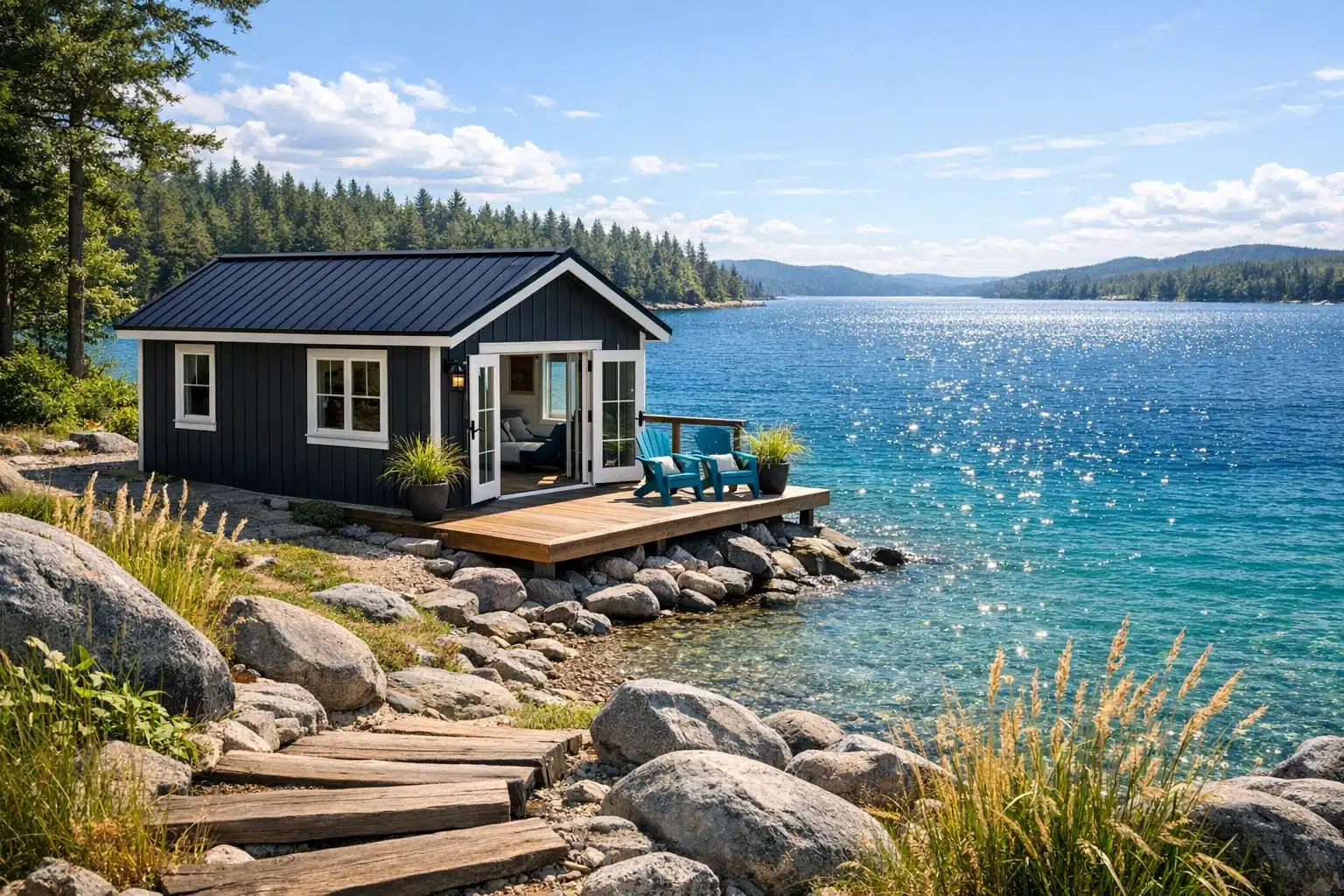
The popularity of these cabins comes from a clear practical advantage: they reduce the number of decisions, delays, and subcontractor headaches that typically accompany a ground-up build. For many households, that reduction in complexity matters as much as the structure itself. A family that needs guest space before the holidays, a remote worker who wants separation from the main house, or a retiree dreaming of a lakeside retreat may all prefer a faster path that still feels livable and complete. In that sense, a finished cabin is not merely a building; it is a shortcut through a maze.
Buyers are also drawn to flexibility. A cabin can shift roles as life changes. One year it functions as a creative studio, the next it becomes a teen hangout, and later it may welcome visiting relatives. Common uses include:
• backyard office or hobby room
• weekend getaway on rural land
• guest accommodation for family and friends
• short-term rental where local rules allow it
• downsizing option for minimalist living
There is another reason these structures continue to attract interest: they make planning easier. When a model has known dimensions, standard finish options, and a visible layout, people can evaluate whether it truly fits their budget and their property. That clarity is refreshing in a building process often clouded by change orders and uncertain timelines. Instead of imagining every wall from scratch, buyers can start with something tangible, compare offerings, and make grounded decisions. For anyone who values usable space, speed, and a more predictable route from idea to reality, the appeal is easy to understand.
Design, Layout, and Comfort: Comparing Features That Shape Everyday Use
Once a buyer understands the basic idea, the next step is to look beyond the label and examine how a cabin actually works in daily life. Design is where emotion and practicality meet. A cabin may look charming in photos, with warm wood tones and a cheerful porch, yet feel awkward if the storage is poor, the ceiling height is limiting, or the bathroom placement disrupts the flow. Finished Cabins are often sold on appearance first, but long-term satisfaction usually comes from layout, insulation quality, natural light, and sensible detailing.
Size is only one part of the equation. A compact floor plan can feel spacious when windows are positioned well, traffic paths are clear, and multifunctional furniture has room to breathe. By contrast, a larger footprint can still feel cramped if space is chopped into too many small zones. Studio-style cabins often suit offices, rental units, or simple retreats. Lofted models create sleeping space without dramatically increasing the footprint, though buyers should think honestly about stair comfort and headroom. One-bedroom plans offer more privacy, making them attractive for extended stays or guest use.
Interior finish choices deserve careful attention because they affect maintenance, atmosphere, and climate performance. Pine walls create a traditional cabin mood, but painted drywall may feel brighter and more contemporary. Vinyl plank flooring handles moisture and wear better than some softwood surfaces. Double-pane windows, properly sealed doors, and robust insulation contribute more to comfort than decorative trim ever will. A beautiful cabin that is drafty in winter or stuffy in summer quickly loses its charm.
When comparing models, these questions can reveal more than a glossy brochure:
• Is the insulation suitable for four-season use or only mild weather?
• Are electrical outlets, lighting, and breaker capacity enough for modern needs?
• Does the kitchen area support actual cooking or just light convenience use?
• Is the bathroom full, partial, composting, or omitted entirely?
• Are porches and lofts included in the stated square footage?
Exterior design matters too, especially when the cabin will sit near a primary home or in a scenic location. Roof pitch influences snow handling, siding material affects upkeep, and foundation type can shape both appearance and performance. Some buyers want a rustic profile that blends into wooded land, while others prefer a cleaner modern form with larger glass areas. Neither approach is inherently better. The smart choice is the one that matches climate, intended use, and the character of the property. In the end, thoughtful design turns a simple structure into a place where people genuinely want to spend time.
Understanding Cost, Value, and the Real Budget Behind a Cabin Purchase
Price is often the factor that draws people toward cabins in the first place, yet it is also the area where confusion appears fastest. A listed base price may look manageable until site preparation, transportation, permits, utility connections, and finish upgrades enter the picture. That is why it helps to think in two layers: the cabin cost itself and the full project cost. The first number gets attention in advertisements; the second number is what determines whether the plan truly works. Finished Cabins can represent excellent value, but only when buyers measure the whole picture rather than a headline figure.
Several elements shape the final budget. Size is obvious, but it is hardly the only driver. Complexity matters. A single-room structure on skids with basic finishes is very different from a larger model with a bathroom, kitchen, climate control, upgraded windows, and a permanent foundation. Delivery distance can add meaningful cost, especially if special equipment or route planning is required. A steep or muddy site may demand grading, gravel, or crane placement. Even paint color changes, appliance packages, and porch options can gradually stretch the total.
As a broad rule, smaller finished units may begin in the tens of thousands, while larger or more fully appointed projects can climb well into six figures once land improvements are included. That range sounds wide because it is wide. Regional labor rates, code requirements, and utility availability all influence outcomes. A cabin on a suburban lot with power, water, and sewer nearby may be far simpler to complete than one placed on remote acreage requiring septic installation, a well, and extensive access work.
Value should be measured by use, durability, and future flexibility, not by sticker price alone. Buyers often benefit when the cabin serves multiple purposes over time. A structure that starts as a home office might later become guest lodging or a rental, provided local rules allow that use. Features that often improve long-term value include:
• strong insulation and energy-efficient windows
• durable siding and roofing materials
• a practical bathroom and kitchen setup
• storage that reduces clutter
• layouts that suit more than one kind of occupant
The smartest budgeters also reserve money for the unexpected. A modest contingency can soften the blow of permit revisions, utility trenching surprises, or weather delays. Think of the budget not as a rigid line but as a well-packed travel bag: the essentials must fit, and a little extra space prevents stress later. When buyers compare total installed cost against the time, labor, and uncertainty of building from scratch, many discover that a finished cabin offers a balanced middle path between ambition and realism.
Land, Permits, Utilities, and Delivery: The Details That Decide Success
A cabin can be beautifully designed and sensibly priced, yet still become a frustrating project if the site is not ready. Land considerations are where practical planning earns its keep. Before ordering anything, buyers should examine zoning, setback rules, minimum dwelling sizes, access constraints, foundation requirements, and utility options. In some areas, a cabin intended as a guest house may be treated differently from a primary residence, office, or short-term rental. Local definitions matter. What seems like a simple backyard addition may trigger rules related to accessory dwelling units, stormwater control, or parking.
Utility planning deserves early attention because it strongly influences both cost and comfort. Electricity is usually the first requirement, but water, wastewater, heating, and internet service are just as important for modern living. A rural site may require a septic system and well, while an in-town property might allow simpler connections to existing service lines. Heating choices vary by climate and use pattern. A weekend retreat may function well with a mini-split and supplemental electric heat, while a four-season cabin in a cold region may need a more robust approach.
Delivery logistics can surprise first-time buyers. Roads, driveway width, turning radius, tree branches, and soil conditions all affect whether a prefabricated unit can reach the site. In some cases, a builder can assemble the cabin on location, reducing transport limitations. In others, a crane or specialized trailer is part of the operation. These details are far less glamorous than interior finishes, but they can determine whether the project proceeds smoothly or stalls before it begins.
A strong site-readiness checklist often includes:
• verifying local zoning and permit requirements
• confirming property boundaries and setbacks
• choosing foundation type based on soil and intended use
• planning drainage so water moves away from the structure
• identifying exact routes for power, water, and waste lines
• checking delivery access months before installation day
Time also matters. Permits can take weeks or months depending on location. Weather may delay excavation or foundation work. Contractors who handle utility hookups may book out well in advance. The most successful buyers sequence the project carefully, treating the cabin as part of a system rather than an isolated purchase. There is a quiet satisfaction in seeing a structure arrive on a prepared site, settle into place, and begin serving its purpose almost immediately. That smooth landing rarely happens by luck; it comes from early planning, good questions, and attention to the unglamorous details that make the finished result truly livable.
Conclusion: How to Choose the Right Cabin for Your Space, Budget, and Future Plans
If you are the kind of buyer who wants more room without drifting into an open-ended construction adventure, this is where the appeal of Finished Cabins becomes especially clear. They can solve several problems at once: lack of private workspace, limited guest accommodation, the need for a rental opportunity, or the desire for a smaller escape that does not consume years of planning. Still, the right choice is rarely the cheapest unit or the prettiest model in a brochure. The right choice is the one that fits your land, supports your intended use, and remains comfortable after the novelty fades.
Start by defining the main role of the cabin in one sentence. That exercise seems simple, yet it prevents expensive drift. “I need a quiet office for daily work” leads to different decisions than “I want a weekend place for family stays” or “I am creating guest lodging with year-round usability.” Once the purpose is clear, compare models through that lens. Storage, insulation, bathroom quality, sound separation, and window placement suddenly become easier to evaluate because they connect directly to real-life use rather than abstract preference.
It is also wise to vet the seller with the same care you would apply to any major property-related investment. Ask for detailed specifications, not just promotional photos. Review what is included in the price, what is optional, and what must be arranged separately. Seek clarity on delivery, warranty coverage, estimated timeline, and code compliance. Useful questions include:
• What exactly is included in the finished package?
• Which responsibilities belong to the buyer before installation?
• Are engineered plans available if local approval requires them?
• How are delays, damage claims, or change requests handled?
For many readers, the real promise of a finished cabin is not extravagance. It is efficiency with character. A well-chosen cabin can create breathing room on a crowded property, offer comfort in a scenic setting, or support a simpler lifestyle without demanding a massive custom project. If you approach the process with a clear goal, a realistic budget, and careful site planning, you are far more likely to end up with a structure that feels useful on day one and valuable for years to come. In that sense, the best cabin is not simply the one that looks inviting from the driveway. It is the one that quietly works, season after season, exactly the way you hoped it would.