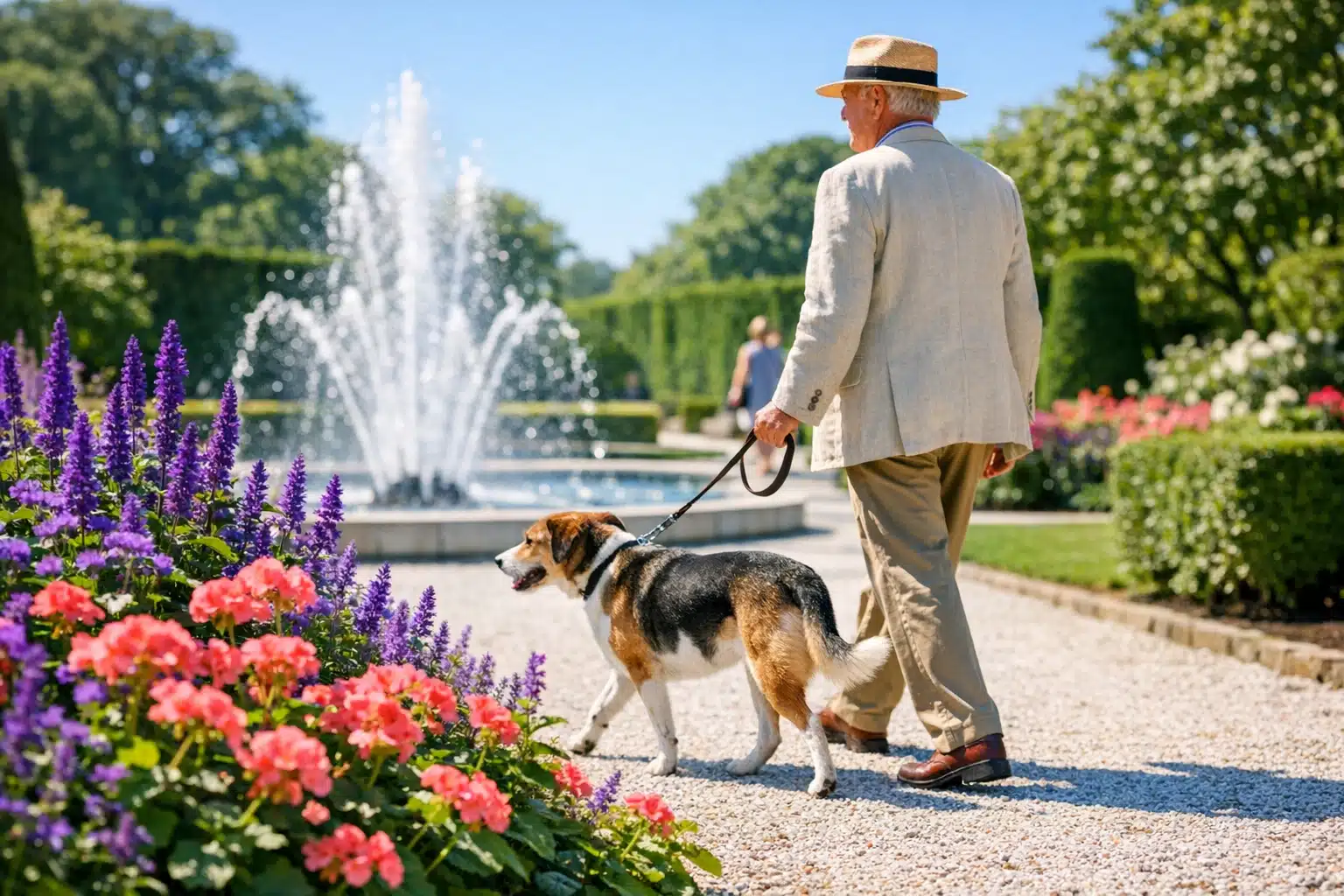
Discover the Joy of Pet Adoption for Seniors: A Thoughtful Guide to Companionship
For many older adults, the right companion is not a gadget or a hobby but a warm nose waiting by the door. pet adoption can bring structure, laughter, and a renewed sense of purpose to daily life without demanding perfection. This article maps out the key questions to ask, from choosing the right dog to preparing your home, handling costs, and building a steady routine. If you have been thinking about a new four-legged friend, the sections ahead offer practical guidance with room for heart.
Why a Dog Can Be a Good Match for Seniors
A dog can change the texture of an ordinary day in small, steady ways. The morning begins with a soft nudge, the afternoon includes a short walk, and the evening ends with quiet company in the living room. For many seniors, that rhythm matters. Retirement, bereavement, or limited mobility can make days feel less structured than they once were. A dog often adds useful routine without requiring dramatic lifestyle changes, especially when the match is thoughtful.
Research in the field of human-animal interaction has frequently linked companion animals with reduced feelings of loneliness and more regular daily activity. That does not mean a dog is a cure for isolation, grief, or health concerns, but it does mean the relationship can support emotional well-being in practical ways. A neighbor may stop to chat during a walk. A family member may visit more often because there is a new furry personality in the home. Even short care tasks such as feeding, brushing, or stepping outside can give shape to the day and create a sense of purpose.
There are also social and psychological advantages that deserve attention. Many shelters report that adopters are surprised by how quickly a dog becomes part of the household rhythm. Seniors in particular often value calm presence over constant excitement. A dog resting nearby while the radio plays or while tea steams on the table can make a home feel more alive. The bond is not measured only in playtime; it is often built in the silent moments.
Still, a wise decision starts with honesty. A dog needs time, patience, and some physical effort. Before moving forward, it helps to ask a few questions:
- Do you want a walking companion, a lap dog, or a quiet household presence?
- Can you manage feeding, toileting, grooming, and basic training every day?
- Is there a friend, relative, or neighbor who could help during illness or travel?
- Does your housing allow dogs, and is the layout safe for both of you?
When the answers line up with reality, a dog can become more than a pet. It can become a source of steadiness, gentle movement, and daily connection. That is why so many older adults begin to explore adoption not as a grand gesture, but as a practical path toward companionship that feels both comforting and alive.
Choosing the Right Dog: Age, Size, Energy, and Temperament
One of the biggest myths in dog adoption is that the cutest choice is automatically the best choice. In reality, fit matters far more than first impressions. Seniors often do best when they choose based on energy level, trainability, size, grooming needs, and temperament rather than appearance alone. A calm mixed-breed adult dog may be a smoother match than a highly active puppy from a popular breed. The key is not finding a perfect dog; it is finding a manageable one.
Many people begin their search with the idea that they should Adopt Puppies because a young dog seems easier to shape from the beginning. Puppies can certainly be delightful. They are playful, curious, and full of possibility. Yet they are also demanding. House-training usually requires frequent trips outside, accidents are common, chewing can be relentless, and training must be consistent. For a senior with strong mobility, plenty of time, and help from family or neighbors, a puppy may work well. For someone seeking predictable habits and lower daily intensity, an adult dog is often the easier path.
Adult dogs offer several advantages that shelters and foster programs can usually describe in clear terms. Their size is already established, their behavior is easier to assess, and many have passed the most chaotic stage of life. Senior dogs can be an even better fit for older adopters because their routines are often calmer and their exercise needs are moderate. That said, older dogs may require more medical monitoring, so balance is important.
When comparing options, these factors can be especially useful:
-
Size: Small and medium dogs may be easier to lift, transport, and manage indoors, though some small breeds can still be energetic.
-
Energy level: A relaxed dog with moderate exercise needs may be more practical than a powerful breed bred for constant activity.
-
Temperament: Look for signs of adaptability, friendliness, and recoverability after mild stress.
-
Grooming: Long coats and frequent professional grooming add both time and cost.
-
History: Foster homes often provide useful observations about barking, leash skills, and comfort around visitors.
Breed can offer clues, but it should never be treated like a guarantee. Individual dogs vary widely. A good shelter counselor or rescue volunteer will help you think less like a shopper and more like a matchmaker. That shift makes all the difference. The best decision usually feels less like chasing a fantasy and more like recognizing a dog whose pace already fits your own.
Preparing Your Home, Budget, and Support System Before Bringing a Dog Home
A successful adoption starts before the leash ever touches your hand. Preparation reduces stress for both the person and the animal, and it is especially important for seniors who want the experience to remain manageable over time. A dog does not need a designer bed or an overflowing toy basket, but it does need a safe environment, a realistic budget, and a support network that can step in when life becomes complicated.
Begin with the home itself. Floors should be considered from the dog’s point of view as well as your own. Slippery tile can be difficult for older dogs and risky for people with balance concerns. Simple rugs or non-slip runners can help. Food and water bowls should be placed where they do not create a tripping hazard. If stairs are steep, think about whether the dog will need to climb them every day. Entryways matter too. A sturdy leash hook, a place for shoes, and easy access to waste bags can make outings smoother.
Budget is another piece that deserves calm attention. Adoption fees vary by region, but many shelters charge roughly $100 to $500, often including vaccines, spay or neuter services, and a microchip. Monthly costs can range widely depending on food quality, grooming, medication, and veterinary needs. A healthy dog may cost far less than one with chronic conditions, yet every adopter should expect regular expenses rather than occasional ones. Typical categories include:
- Food and treats
- Routine veterinary care and vaccinations
- Preventive medications for fleas, ticks, or heartworm where needed
- Grooming, nail trims, and hygiene supplies
- Training classes or one-on-one guidance if problems arise
- Emergency savings for unexpected illness or injury
Then comes the question many people skip: who helps if you cannot? A reliable backup plan is not pessimistic; it is responsible. A daughter who can drive to the vet, a neighbor who can do a quick walk, or a local pet sitter who understands older dogs can be invaluable. Write down emergency contacts and place them where they are easy to find. If you take medication on a schedule, pair dog care tasks with that routine so nothing is forgotten.
Preparation may not feel romantic, but it protects the relationship. When the basics are in place, the first week at home feels less chaotic and far more joyful. The goal is not perfection. The goal is to create a setting where both you and the dog can settle in with confidence.
Understanding the Adoption Process and Making a Careful Decision
The adoption process can seem formal at first, yet most of its steps exist for good reasons. Shelters and rescue groups want to place dogs in homes where they can stay for life, not just for a season of enthusiasm. For seniors, this can actually be helpful because the questions asked by adoption counselors often reveal details that a casual visit might miss. Instead of seeing the process as a test, think of it as guided decision-making.
Most organizations begin with a form covering housing, lifestyle, experience with dogs, and household routines. Some require landlord approval or veterinary references if you have owned pets before. A meet-and-greet usually follows. During that visit, pay attention to more than cuteness. Notice how the dog responds to touch, sound, movement, and moments of waiting. Does it lean into calm contact, or does it become frantic? Does it pull hard on the leash? Does it recover easily after distraction? These observations tell you far more than a photo or a short description online.
Foster-based rescues can be especially useful because foster caregivers often know whether a dog is comfortable in an apartment, sleeps through the night, travels well in a car, or barks at every passing squirrel. Shelters with behavior staff may provide similar notes. Ask direct, specific questions:
- How much exercise does this dog appear to need each day?
- Is the dog house-trained or still learning?
- Has it lived with adults, children, or other animals?
- How does it respond during grooming or veterinary handling?
- Are there any known medical conditions or likely follow-up needs?
- Does the organization offer post-adoption support or a trial period?
It is also wise to compare emotion with logistics. A dog that tugs powerfully, jumps high, or panics when left alone may be lovable, but not ideal for your situation. Choosing carefully is an act of kindness, not rejection. The right match decreases the chance of a stressful return and increases the chance of a stable bond.
Finally, trust your pace. You do not need to decide in five minutes because a wagging tail makes your heart melt. Visit again if needed. Bring a family member or friend whose judgment you trust. A good adoption experience leaves you feeling informed rather than pressured. When the match is right, the process feels less like signing papers and more like opening a door that both of you are ready to walk through.
Building a Lasting Bond: A Conclusion for Seniors Ready to Welcome a Dog
The first days after adoption often feel a little like hosting a shy guest who may later become your closest companion. There is curiosity, caution, and the occasional comic misunderstanding. A dog may ignore the expensive bed and choose the hallway rug. It may stare at the dishwasher as if it were a dragon. These moments are normal. The goal in the beginning is not to rush intimacy but to build trust through predictable care.
Routine is your best tool. Feed at regular times, keep walks consistent, and create a calm resting place where the dog can retreat. Short, frequent sessions of training tend to work better than long lessons. Even basic cues such as sit, wait, come, and loose-leash walking make daily life easier and safer. For seniors, routines also reduce mental load. When care happens in a familiar pattern, it becomes part of the day rather than a source of constant decision-making.
Veterinary care should begin early. Schedule a first exam soon after adoption, even if the dog arrived with recent records. That visit helps establish a baseline for weight, dental health, mobility, and preventive care. It is also a good time to discuss realistic exercise goals, especially if either you or the dog has joint concerns. Many older adults do well with several short outings rather than one long walk. A calm rhythm can be healthier and easier to maintain.
To strengthen the bond over time, focus on shared habits rather than nonstop stimulation:
- Gentle morning and evening walks
- Quiet brushing sessions if the dog enjoys touch
- Puzzle feeders or simple scent games indoors
- Basic training refreshers that reward attention
- Safe social contact with neighbors, friends, or family visitors
For seniors considering this step, the most important truth is simple: a good adoption is not about being endlessly energetic. It is about being steady, observant, and willing to care with patience. The right dog does not demand that you become a different person. Instead, it often meets you where you are and adds warmth, structure, and companionship to the life you already have. If you choose with care and prepare with honesty, bringing home a dog can be one of the most rewarding chapters of later life, written one walk, one nap, and one grateful glance at a time.