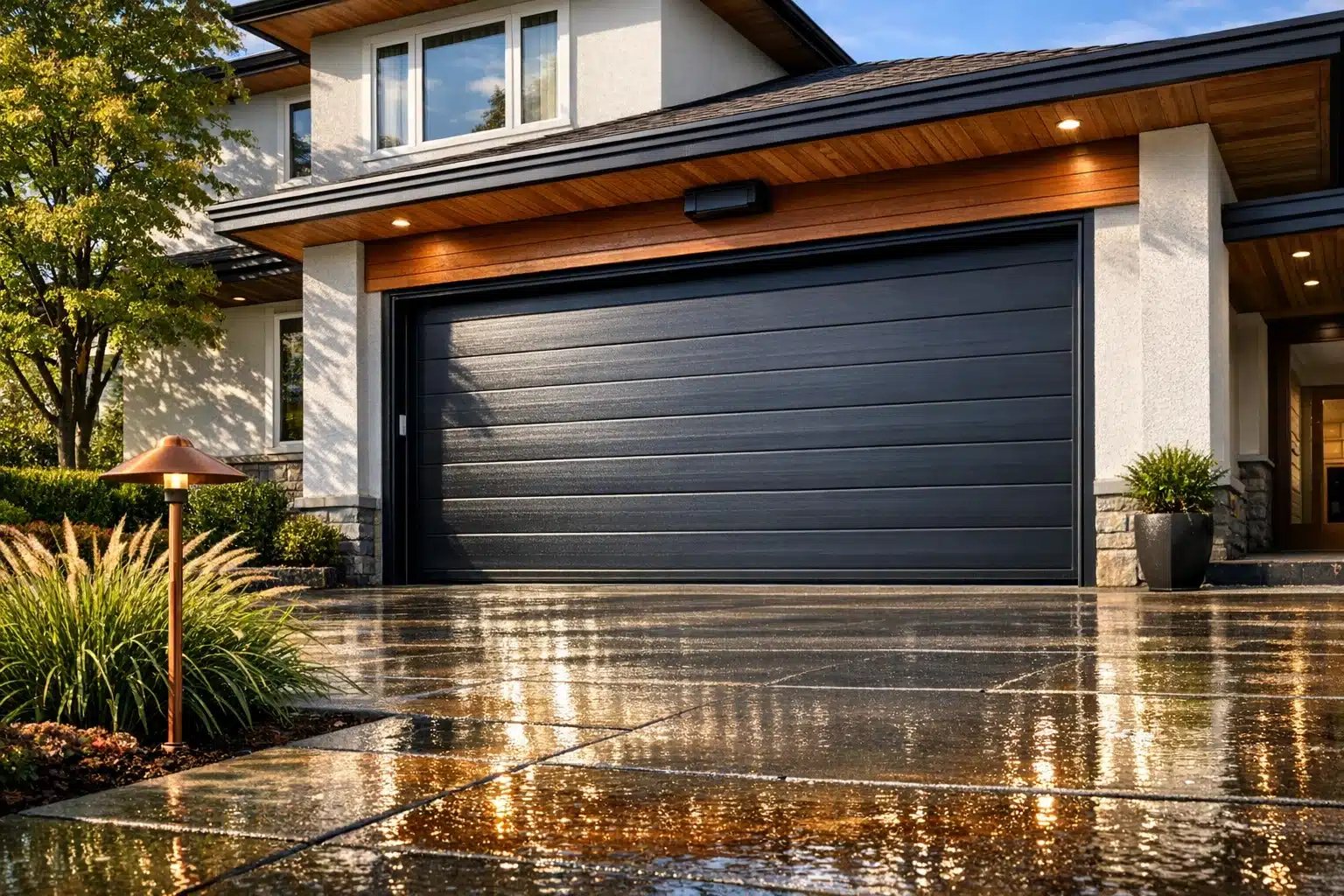
 Artificially generated image
 The True Cost of Garage Roller Doors in 2026: What Homeowners Should Know
Garage roller doors sit at the crossroads of curb appeal, security, convenience, and day-to-day practicality, which is why their price matters more than many buyers expect. A quote that looks manageable on paper can change quickly once sizing, motor upgrades, insulation, electrical work, and installation conditions enter the conversation. In 2026, understanding the full cost picture helps homeowners avoid budget shocks and compare offers more intelligently. This guide unpacks the numbers, the trade-offs, and the smart questions worth asking before you commit.
Article Outline
• Typical garage roller door price ranges in 2026
• The main features and materials that raise or lower the quote
• Installation charges, electrical work, and hidden extras
• How roller doors compare with sectional and up-and-over doors
• Practical budgeting advice for homeowners who want solid value
Typical Garage Roller Door Prices in 2026
When homeowners start researching garage roller door cost, the first surprise is how wide the price range can be. In 2026, a basic single manual roller door often starts around $700 to $1,500 for supply only, while a motorized single door commonly lands between $1,300 and $2,800 before installation. For double garages, the range usually climbs to about $2,000 to $4,500, and premium insulated or custom-finished models can move well beyond that. These figures are not universal rules, but they reflect the kind of ranges many homeowners see when requesting standard residential quotes. For clarity, this article uses US dollars for comparison, though the same pricing logic applies in other markets.
A useful way to understand cost is to split it into three layers: the door itself, the operating system, and the labor needed to make everything work properly. A manual roller door might look like the bargain choice, yet many households eventually prefer an electric opener because daily convenience matters. Pressing a remote on a rainy evening is not a luxury to someone carrying groceries, school bags, or a sleeping child. That simple moment of convenience is exactly where budgets start to stretch.
Broadly speaking, homeowners tend to encounter these tiers:
• Entry level: basic steel, manual operation, fewer finish options
• Mid-range: electric opener, better security, stronger slats, smoother operation
• Premium: insulation, smart controls, custom colors, battery backup, quieter motors
Another distinction that affects price is whether the quote is supply only or supplied and fitted. A door that costs $1,600 on paper may turn into a $2,300 project after professional fitting, removal of an old door, site adjustments, and wiring. Some suppliers advertise attractive starting prices that exclude items most homeowners will still need. That does not make the quote dishonest, but it does mean comparison shopping requires patience.
Regional labor costs also matter. Urban areas with higher wages generally produce steeper installation rates, while remote locations may add delivery charges or travel fees. In other words, the sticker price is only the beginning. A realistic budget for a standard, professionally installed residential roller door in 2026 often sits in the middle of the published range, not at the cheapest advertised figure.
What Actually Changes the Price
If two roller doors look similar in a photo, it is easy to assume they should cost roughly the same. In practice, the quote can shift sharply based on a handful of design and performance choices. Size is the most obvious one. A wider or taller opening needs more material, a larger curtain, and sometimes a stronger motor. A compact single garage may fit a relatively straightforward product, while a double opening, a higher-than-standard vehicle clearance, or a nonstandard frame can send the quote upward before upgrades even begin.
Material is another major driver. Steel roller doors are popular because they usually balance price, strength, and durability well. Aluminum options can resist corrosion better in some coastal settings and may be lighter, but price varies depending on thickness and finish. Insulated roller doors cost more because they include foam-filled slats or thermal layers that improve temperature control and can reduce noise. That matters if the garage is attached to the house, used as a workshop, or sits beneath a bedroom. In those cases, the door is no longer just a barrier for the car; it becomes part of the home’s comfort envelope.
Features often make the biggest difference between a modest quote and a premium one:
• Electric motor and remote controls
• Smartphone or Wi-Fi connectivity
• Battery backup for power outages
• Stronger locking systems and anti-lift protection
• Weather seals around the edges
• Wind-rated components for exposed areas
• Color-matched or powder-coated finishes
Security upgrades deserve special attention because homeowners frequently underestimate their value. A garage may contain tools, bikes, appliances, sports equipment, or a direct internal door to the house. Better locking, reinforced slats, and tamper-resistant components increase cost, but they can also improve peace of mind. Think of it less as buying a metal curtain and more as upgrading one of the larger entry points to your property.
Appearance also carries a price. Standard colors are generally cheaper than custom powder coating, wood-look finishes, or architectural styles designed to match modern facades. Those upgrades are not frivolous; they can improve curb appeal and make the front elevation feel more deliberate. Still, homeowners should decide whether they care more about visual polish, thermal performance, smart tech, or a lower upfront spend. The cheapest door is not always the best value, and the fanciest model is not automatically the wisest buy.
Installation Costs, Electrical Work, and Hidden Extras
This is the part of the project where many budgets wobble. A garage roller door may be quoted at a reasonable price, then installation introduces a second layer of spending that feels far less predictable. Professional fitting commonly ranges from a few hundred dollars to well over $1,000 depending on complexity, location, and whether structural or electrical work is needed. A straightforward replacement is one thing. A tight, aging, uneven garage opening is something else entirely.
Installers usually assess headroom, side room, lintel condition, wall strength, and access to power. If the existing frame is out of square, the new door may need trims, packing, or repairs before it can operate smoothly. If an older up-and-over or timber door has to be removed, there may be dismantling and disposal charges. Those costs are normal, but they are easy to miss when comparing short-form estimates.
Some of the most common add-ons include:
• Removal and disposal of the old garage door
• New guides, brackets, and mounting hardware
• Repair of damaged masonry, timber, or steel framing
• Additional weather sealing
• Electrical outlet installation near the opener
• Dedicated circuit work by a licensed electrician
• Smart control setup or app integration
• Permit, inspection, or homeowner association compliance costs where applicable
Electrical work deserves its own mention because it often sits outside the door installer’s scope. If there is no nearby outlet, or if the existing power supply is not suitable, an electrician may need to run a new line. That can add a modest amount or a substantial one depending on distance, wall construction, and panel access. A battery backup system, while optional in many homes, also adds to the total. Some homeowners skip it until the first outage leaves the garage unusable; others prefer to build it in from day one.
Warranty terms can influence apparent cost as well. A slightly higher quote may include better coverage on the motor, springs, curtain, finish, or labor. Cheap pricing paired with weak after-sales support can become expensive later if parts fail early. Ask whether the installer will return to adjust limits, fix alignment, or deal with operational issues after the first few weeks.
The practical lesson is simple: ask for an itemized quote. A clear estimate should separate supply, motorization, installation, electrical work, removal, and optional extras. When every part of the bill is visible, the final number becomes much easier to judge, and unpleasant surprises lose their hiding place.
How Roller Doors Compare With Other Garage Door Types
Garage roller doors are often chosen for their compact design, but cost makes more sense when viewed against the alternatives. The two most common comparisons are sectional doors and up-and-over doors. Each style can serve a home well, yet they behave differently in terms of space, insulation, looks, and long-term value.
Roller doors coil into a box above the opening, which makes them especially useful when driveway depth is limited or when interior ceiling space needs to remain more open for storage. They can be a smart fit for homes where every inch matters. A sectional door, by contrast, moves on tracks and rests along the ceiling when open. That can provide excellent sealing and often strong insulation options, but it takes up overhead room that some homeowners would rather use for shelving, bikes, or lighting. Up-and-over doors are usually simpler and can be cheaper at entry level, though they often swing outward and may offer fewer premium features.
In rough budget terms, the comparison often looks like this:
• Up-and-over doors: frequently the lowest entry price for basic models
• Roller doors: usually mid-range, with price rising for motors and insulation
• Sectional doors: often equal to or higher than roller doors, especially for premium insulated versions
That said, cost alone does not tell the whole story. A roller door can be excellent for narrow driveways because it does not project outward in the same way some older door types do. It can also look neat and understated, which suits both modern and traditional homes. Sectional doors often win on appearance for homeowners who want a broader range of panel designs, while up-and-over doors may appeal to those prioritizing a lower starting cost for a detached garage with lighter daily use.
Thermal performance is another deciding factor. If the garage is attached to the house, a well-insulated sectional or premium insulated roller door may justify a higher upfront investment. If the garage is mainly a storage box at the edge of the property, a basic non-insulated roller door might be perfectly sensible. Security expectations matter too. Modern roller doors can offer solid locking and anti-lift protection, but specification varies widely.
The best choice is not a universal winner. It depends on how the garage is used, how much space the opening area allows, and whether the homeowner values a lower purchase price, better insulation, cleaner appearance, or easier automation.
How Homeowners Can Budget Smarter and Get Better Value
By the time you reach the quoting stage, the goal is no longer finding the lowest number at any cost. It is finding the best fit for your home, your routine, and your budget horizon. A roller door that saves a few hundred dollars upfront but feels noisy, flimsy, or inconvenient every single day can quickly lose its appeal. On the other hand, paying for features you will never use is just an elegant way to overspend.
Start with the real use case. Ask yourself how often the garage door opens each day, whether the garage connects directly to the house, and whether thermal comfort or quiet operation matters. A family using the garage as the main entrance will usually benefit from a dependable motor, strong safety sensors, and smooth operation. Someone using a detached garage mostly for storage may be better served by a simpler setup. Matching the product to the pattern of use is where smart budgeting begins.
When comparing quotes, look beyond the total figure and examine the details:
• Is installation included?
• Are removal and disposal listed separately?
• Does the opener include remotes and safety beams?
• What warranty applies to the motor, curtain, and labor?
• Are weather seals standard or optional?
• Is electrical work excluded?
• Are color upgrades or smart controls inflating the total?
Maintenance also affects lifetime cost. Roller doors are not usually high-maintenance products, but they do benefit from occasional servicing, cleaning of tracks and guides, lubrication where recommended by the manufacturer, and periodic checks on motor settings and safety devices. A well-installed mid-range door can sometimes deliver better long-term value than a very cheap unit that needs early repairs or adjustment visits. Small quality differences are easy to ignore on day one and annoyingly obvious two winters later.
It also helps to think in terms of total ownership rather than purchase alone. If insulation reduces drafts into an attached garage, if a quieter motor makes late arrivals less disruptive, or if stronger security protects expensive equipment, those benefits have practical value even though they do not always show up neatly in a spreadsheet. A garage door is a repeated-use product. You do not buy it for a single dramatic moment; you buy it for hundreds or thousands of ordinary ones.
The most reliable strategy is to gather at least three itemized quotes, compare like for like, and ask blunt questions without embarrassment. Home improvement decisions become far less stressful when the numbers are clear and the compromises are honest.
Conclusion for Homeowners
Garage roller door cost in 2026 is shaped by far more than the door curtain itself. Size, material, insulation, automation, installation complexity, and electrical work all influence the final bill, which is why two seemingly similar quotes can sit far apart. For most homeowners, the smartest move is to decide which features truly matter, request itemized pricing, and compare products on value rather than headline cost alone. A well-chosen roller door can improve convenience, security, and the look of the property for years, but only if the purchase is based on clear information instead of guesswork. If you approach the project with a realistic budget and a close eye on hidden extras, the right door becomes a practical upgrade rather than an expensive surprise.