Explore a 2-Night Cruise from Southampton to Amsterdam
Outline
– Why a quick sailing from Southampton to Amsterdam works for work-weary weekends and flexible midweeks
– Itinerary mechanics: embarkation, overnight sailing, port logistics, and return timing
– Pricing, value, and timing: what’s included, extras to expect, and how to compare options
– One-day city plan: realistic routes, time budgets, food stops, and weather-aware pacing
– Booking strategies and concluding advice with a focus on 2026 planning windows
Why a 2-Night Southampton–Amsterdam Sailing Fits Real Life
If you want a compact break that feels like a true getaway without devouring annual leave, a 2 night mini cruise to amsterdam hits a rare sweet spot. You board in the late afternoon or early evening, settle into your cabin, and the ship glides down the Solent toward the Channel as the shoreline turns to glitter. By dawn, you’re crossing the busy shipping lanes of the southern North Sea; by late morning, you’re at a Dutch pier with the city an easy transfer away. The math is compelling: roughly 310–360 nautical miles, commonly sailed at 18–22 knots, which translates to about 16–20 hours of transit each way depending on conditions and slot times.
Who benefits from this format?
– New cruisers testing the waters without committing a full week
– Friends’ weekends where logistics and lodging are bundled
– Busy professionals tucking a city day between two restorative nights at sea
– Couples seeking a change of scene that still feels manageable and affordable
– Solo travelers who appreciate structured, walk-off convenience
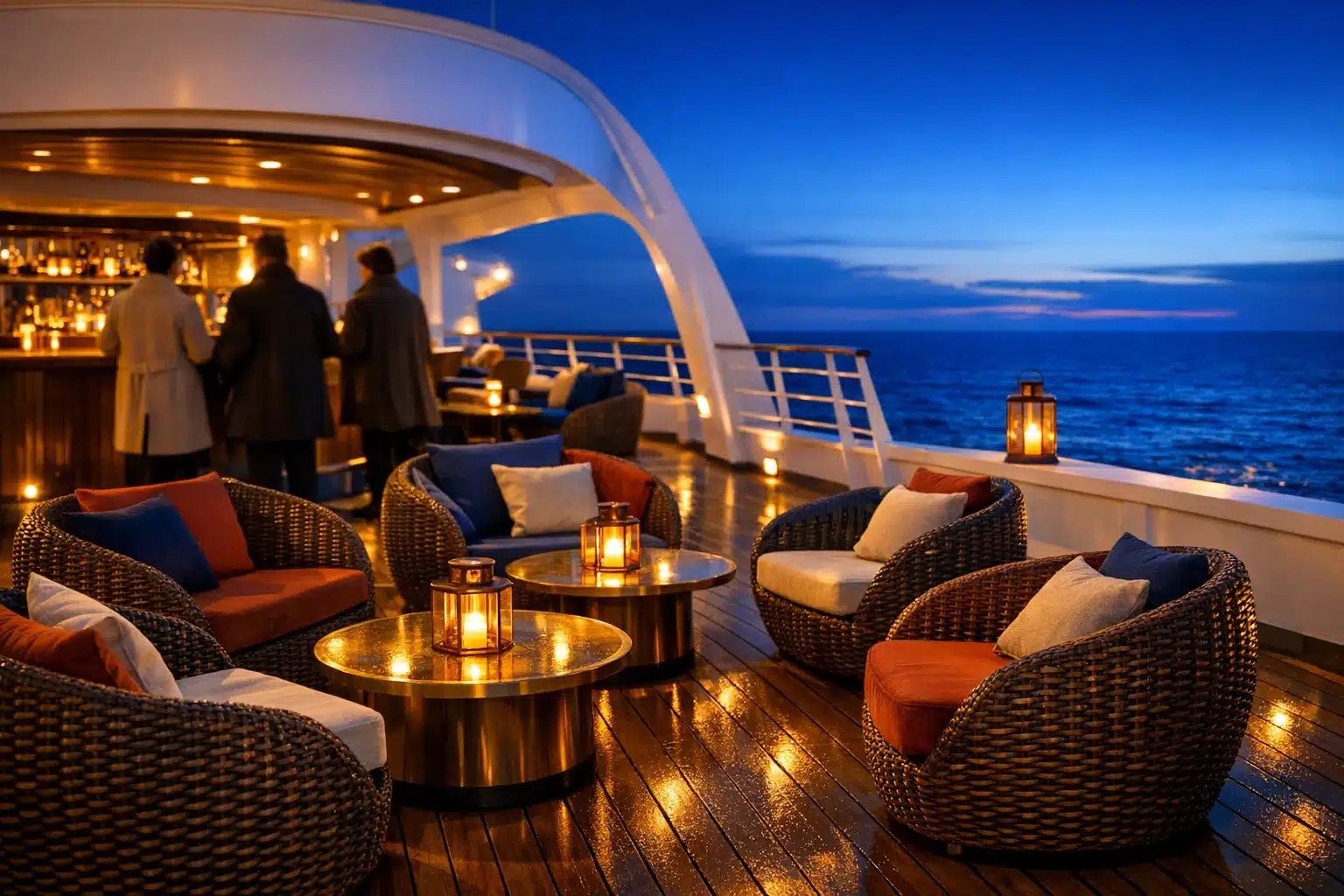
The onboard rhythm also suits varied energy levels. Night one is for sail-away views, a relaxed dinner, and perhaps a show or live music. Day two starts with breakfast and a straightforward disembarkation process; you spend the day exploring canals, markets, and green spaces before reboarding for sunset. Night two becomes a floating coda—dining, stargazing if skies cooperate, and a final sleep. You arrive home early on day three, rested and back in time for everyday obligations.
Compared with flying or high-speed rail plus hotel, the value equation looks different: you’re essentially wrapping transport, lodging, and a curated dining environment into one package. That means fewer moving parts, fewer check-ins, and less baggage handling. Weather can add texture—Channel chop is possible in shoulder seasons—yet modern stabilizers and prudent routing help keep the ride comfortable for most travelers. If you like the idea of maximizing experience per hour rather than per mile, this format earns serious consideration.
The Itinerary, Unpacked: From Gangway to Gracht
Embarkation is typically mid-to-late afternoon, with boarding windows opening about three hours before departure. Arrive with printed or digital documents ready, tagged luggage, and a small carry-on for first-evening essentials. After security and check-in, you’ll step aboard, find your cabin, and complete a short safety drill. As the ship eases into the Solent, stake out an open deck for the slow-motion theatre of tugs, buoys, and salt marsh fading to open sea. Dinner seatings and casual venues usually operate on flexible schedules the first night, letting you find your pace without clock-watching.
Overnight, you’ll thread the English Channel, then arc north-east past sandbanks and wind farms. Typical arrival to the Dutch coast is late morning, though exact timing hinges on pilotage and berth availability. Two main scenarios follow: docking closer to the city, where a 15–25 minute tram or taxi transfers you downtown; or mooring near the coast, with a shuttle or bus-and-train combo of 35–60 minutes. Build a small buffer into your plan; you’ll enjoy the day more if you’re not chasing the clock at every turn.
A realistic day ashore timeline might look like this:
– 09:30–10:30: Disembark and transfer into the center
– 10:30–12:00: Morning canal viewpoints and coffee
– 12:00–14:00: Museum or neighborhood wander plus lunch
– 14:00–16:00: Markets, boutiques, or a park stroll
– 16:00–17:15: Early dinner or snack near a transport hub
– 17:15–18:00: Return transfer and security; all aboard buffer of 30–45 minutes
Back on board, night two is your second wind. Try a different dining room, catch a performance, or claim a quiet nook with sea views. If you’re sensitive to motion, request a midship, lower-deck cabin during booking; that area tends to feel steadier. For connectivity, expect at-sea Wi‑Fi to be serviceable for messaging but variable for streaming. Ashore, roaming works well for most providers; if you prefer offline reliability, download maps before leaving the ship. With a tidy plan and a flexible mindset, the itinerary feels both efficient and surprisingly expansive.
Costs, Value, and Timing: Getting Your Money’s Worth
Because this is a compressed itinerary, understanding what’s included—and what isn’t—helps keep the budget predictable. Entry-level fares usually cover your cabin, main dining room meals, casual buffets, theater shows, and most onboard activities. Add-ons can include specialty dining, drinks packages, barista coffee, spa treatments, fitness classes, Wi‑Fi tiers, and gratuities or service charges. Port fees and taxes are either itemized or rolled into the fare; read the invoice carefully so you’re comparing like with like.
Typical price bands for a two-night sailing vary by season. Off-peak midweeks can sit at the lower end, while spring and autumn weekends trend higher due to demand. Ocean-view and balcony accommodations command a premium over interior cabins; family or solo layouts price differently. As a sanity check, compare your cruise total to a DIY weekend: two nights in a mid-range hotel, two restaurant dinners, local transport, and round-trip travel from the south coast. Often, the bundled cruise comes out competitively—especially when you factor in the convenience of a single booking and the joy of waking up close to the city center.
Inclusions and extras at a glance:
– Typically included: lodging, standard dining, entertainment, port charges if stated
– Often extra: alcoholic drinks, specialty meals, premium coffee, spa, Wi‑Fi upgrades
– Variable by sailing: gratuities (prepaid vs. onboard), shuttle transfers, late checkout
If you’re browsing short cruises from southampton broadly, watch for differences in port timing, included transfers, and check-in windows. A 09:00 arrival vs. 11:00 can add two hours of city time—crucial on a single-day stop. Also note school holidays and major events in the destination, which can nudge prices and crowd levels. Shoulder seasons often deliver quieter streets and gentler rates, with the added bonus of crisp morning light for photos and comfortable walking weather.
Final tip: decide your priority early. If the cabin is merely a place to sleep, favor value-led interior categories. If sea views and balcony breakfasts will elevate your experience, allocate budget there and trim elsewhere, perhaps by skipping specialty dining or choosing a smaller drinks package. Clarity on must-haves makes comparison shopping more straightforward.
One Day in Amsterdam: A Realistic, Rewarding Plan
With one full day, momentum matters. Start by choosing a theme: canals and neighborhoods, art and history, or markets and green spaces. Each offers a satisfying arc in six to eight hours without sprinting. For canals and neighborhoods, navigate from the historic core toward leafy rings, pausing at bridges with mirror-still reflections if the wind is calm. Window-shop along narrow streets lined with gabled townhouses, then detour into a courtyard garden to hear the city muffle to a hush. Keep lunch casual—think a warm pastry, a bowl of soup, or a hearty sandwich—so you spend less time seated and more time exploring.
Prefer galleries and archives? Anchor your day with one major institution and one smaller venue to avoid museum fatigue. Arrive early to the flagship site, then cross a nearby square for an afternoon exhibit in a quieter space. For markets and parks, aim for a mid-morning visit when stalls brim with produce and flowers, then follow tree-lined paths beside slender canals where cyclists hum past like soft clockwork. If rain comes (not uncommon), slot in a café interlude; a brief pause can reset your route and spirits.
Sample day plans:
– Canals and neighborhoods: core bridges → artisan lanes → lunch → ring canals → sunset viewpoint
– Art and history: morning at a marquee museum → lunch → smaller gallery or house museum → canal stroll
– Markets and parks: market browsing → picnic in a green square → waterside walk → early dinner
Transit is straightforward. If you’ve docked close to the center, a brisk walk or short tram ride gets you to major sights. From coastal berths, a shuttle-to-rail combo is common; you’ll be in the center in roughly 35–60 minutes. Keep a comfortable all-day shoe strategy, pack a compact umbrella, and carry a small tote for layers. Expect moderate queues at marquee attractions—consider booking timed entries where available. With a calm, thoughtful plan, the city feels intimate rather than overwhelming, and you’ll board the ship with memory cards full and feet pleasantly tired.
Smart Booking for 2026 and Conclusion: Your Action Plan
Looking ahead, early planning pays. Peak demand clusters around spring tulip season and autumn weekends, while midweek departures and late autumn dates often present better availability. Watch winter promotions and early-year sales cycles; they can set baseline fares that later offers reference. If your calendar is flexible, use fare alerts to track patterns over several weeks before committing. Book refundable deposits when possible, then fine-tune cabin location after studying deck plans—midship and lower decks tend to feel steadier in mixed seas.
Tactics for value:
– Prioritize what you’ll actually use: cabin view vs. dining upgrades vs. Wi‑Fi
– Seek itineraries with earlier arrival times for a longer city window
– Verify shuttle or public transport details from your berth to the center
– Factor in gratuities and taxes upfront to prevent budget creep
– Consider travel insurance that covers delays and missed port calls
Environmental and comfort touches can improve the experience. Pack a reusable water bottle and lightweight rain shell, choose a compact daypack over a bulky bag, and bring motion-sickness remedies if you’re unsure about the Channel. Keep docs handy: passport validity, any entry formalities, and health guidelines can evolve—consult official sources close to departure. For foodies, scan menus before sailing; main dining rooms often handle dietary needs with advance notice. For photographers, early and late daylight can be golden; protect gear with a simple dry bag if showers roll in.
If you’re timing your purchase against the calendar, keep an eye on cruise deals 2026 as schedules open and early offers land. New-season releases sometimes pair attractive fares with cabin choice and onboard credits that align with your priorities. Just as important, don’t overpack the day ashore; the joy of this itinerary lies in an unhurried wander that still feels purposeful.
Conclusion: This compact voyage works for travelers who want a well-framed city day wrapped in the ease of a floating hotel. The format rewards planners and improvisers alike: plan anchor moments, leave space for serendipity, and let the sea carry the in‑between. With clear expectations, a measured budget, and a touch of curiosity, a two-night Southampton–Amsterdam hop can feel refreshingly substantial—proof that short can still be memorable.