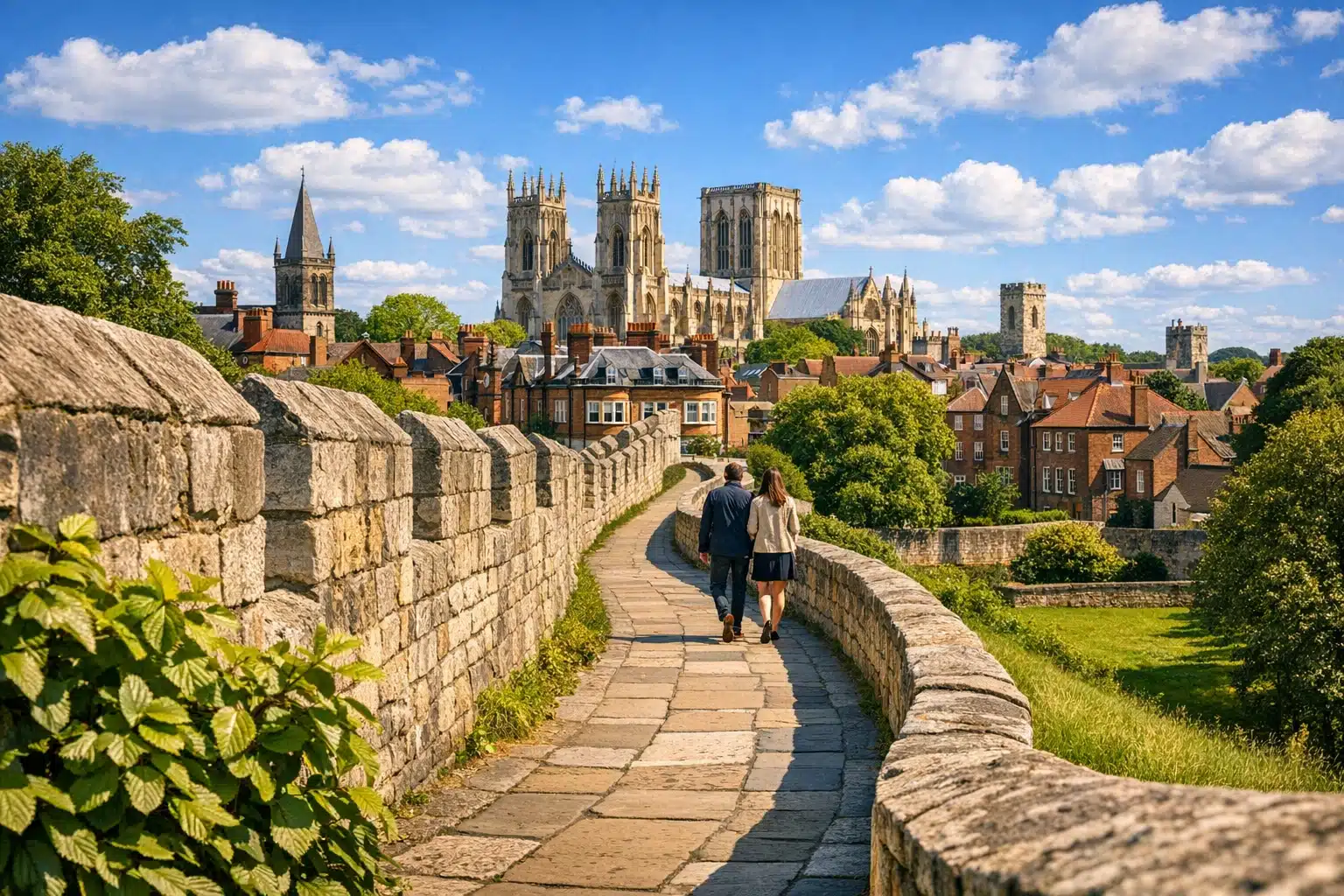
 Artificially generated image
 3-Night All-Inclusive Hotel Stay in York: A Practical Guide
York is one of those rare cities that feels cinematic at first glance yet manageable once you start walking. Medieval lanes, riverside paths, museums, tearooms, and evening pubs all sit close enough together to make a short escape feel full rather than frantic. That is why a carefully chosen city-break package can matter so much. With the right planning, three nights can balance comfort, convenience, meals, and memorable time out.
Outline: Why York Suits a Short Break and What This Guide Covers
When travelers look for a 3-night All Inclusive Hotel Stay In York, they are usually searching for ease rather than extravagance. York is well suited to that goal because the historic core is compact, many headline attractions sit within walking distance of one another, and the city offers a strong mix of culture, food, and atmosphere in every season. You can spend a morning on the city walls, an afternoon in a museum, and an evening over dinner without losing half the day to transport. That simple geography is a major advantage for anyone planning a three-night escape.
This guide starts with an important clarification: in York, all-inclusive rarely means the same thing it does in a large coastal resort. Instead, the package may include breakfast, dinner, selected drinks, spa access, parking, or attraction add-ons. Understanding that difference helps travelers compare offers fairly instead of assuming every listing covers unlimited food and beverages around the clock. Practical expectations are the foundation of a successful booking, especially in a city where historic buildings, boutique hotels, and independent restaurants often shape the experience more than sheer scale.
To make the topic easy to navigate, the article follows a clear path:
• first, it explains how hotel packages in York are usually structured;
• next, it compares locations, room types, and property styles;
• then, it maps out a realistic plan for three nights;
• finally, it looks at booking checks, hidden costs, and traveler-specific advice.
That outline matters because York appeals to several kinds of visitors at once. Couples come for atmosphere and dining. Families come for museums, ghost tours, and walkable sightseeing. Solo travelers often appreciate the city’s manageable size and reliable rail access. Older visitors may prefer the convenience of staying close to central landmarks rather than moving between multiple towns. In every case, the smartest approach is not simply to chase the lowest advertised rate, but to measure how well the package removes friction from the stay. A cheaper room outside the center may look appealing at first glance, yet restaurant spending, taxi fares, and time lost in transit can quickly erase the saving. A carefully chosen package, by contrast, can make a short city break feel smooth, coherent, and far more rewarding.
What “All-Inclusive” Usually Means in York and How Packages Compare
The most useful thing a traveler can know before booking is that a 3-night All Inclusive Hotel Stay In York is often a curated bundle, not an unlimited resort formula. In British city destinations, hotels tend to package value through meal plans and extras rather than nonstop service across multiple bars and buffet stations. That does not make the offer weaker; it simply means the comparison needs to be more careful. One hotel may include breakfast and a three-course dinner each evening. Another may offer breakfast, one dinner, a welcome drink, and access to leisure facilities. A third may replace included drinks with parking and attraction tickets. All three can be advertised in ways that sound similar while delivering very different practical value.
A good comparison starts by separating packages into recognizable types:
• Bed, breakfast, and dinner: common for weekend breaks and often the easiest option for couples.
• Stay with dining credit: flexible, but the allowance may not cover a full evening meal for two.
• Spa or leisure package: useful if the hotel has a pool, treatment rooms, or wellness facilities.
• Attraction bundle: better for first-time visitors who plan to sightsee intensively.
• Seasonal special offer: often tied to Christmas markets, race days, school holidays, or quieter midweek periods.
There are several details worth reading beyond the headline. Drinks are a common source of confusion. “Included drinks” may mean a set number per guest, a house selection at dinner, or a voucher redeemable during certain hours. Meal timing matters too. Some hotels restrict dinner service to specific sittings, while others require advance reservation in a restaurant that can fill quickly on weekends. Families should ask whether children receive the same inclusions, a smaller menu, or only discounted extras. Travelers with dietary needs should confirm not just whether options exist, but whether they are available across every included meal.
It is also wise to calculate the realistic cash value of what is included. If breakfast would otherwise cost a modest amount and dinner credit falls short of a full meal, the advertised package may not be as generous as it appears. On the other hand, a central hotel with breakfast, one substantial evening meal, and parking can represent solid value in a city where convenience often shapes the whole trip. The key is to compare what you will actually use, not what sounds impressive in the booking description. That small shift in mindset makes package hunting more rational and far less disappointing.
Choosing the Right Hotel: Location, Style, and Traveler Priorities
A successful 3-night All Inclusive Hotel Stay In York depends as much on where you sleep as on what the tariff includes. York may be compact, but location still changes the feel of the trip. Staying inside or near the city walls places you close to the most famous streets, historic buildings, shops, and dining spots. That can be ideal for first-time visitors who want to step out and start exploring immediately. The trade-off is that central hotels may have smaller rooms, limited parking, or more street noise, especially on busy weekends. Boutique properties often win on atmosphere, yet older buildings can mean stairs, quirky layouts, and less predictable sound insulation.
Hotels near the railway station offer another practical balance. They are especially convenient for rail travelers, those arriving late, or anyone who dislikes dragging luggage over cobbled streets. This area can still provide easy walking access to the center, while often feeling slightly calmer than the busiest lanes around major landmarks. Riverside locations add a slower mood, which suits couples and visitors who enjoy evening walks. Outskirts and edge-of-city properties may deliver larger rooms, spa facilities, and easier parking, though they can require taxis or buses if you plan to spend most of your time in the heart of York.
Style matters too, because different kinds of hotels support different kinds of trips:
• Boutique hotels often emphasize character, décor, and a sense of place.
• Branded hotels may offer more predictable room standards and clearer package terms.
• Spa hotels are attractive for travelers who want downtime built into the stay.
• Family-friendly properties can be stronger on room size, practical dining, and parking.
Before booking, check several details that shape comfort more than marketing photos do. Is air conditioning available, especially for summer dates? Are there lifts, accessible bathrooms, or step-free routes if mobility is a concern? Does the package restaurant sit on-site, or are meals taken in a partner venue nearby? What time does breakfast begin if you plan an early departure? If you are traveling as a couple, a small room may not matter much if the location is excellent. If you are traveling with children or staying during winter, extra space and simple logistics may matter more than decorative charm.
The best hotel choice is not the fanciest listing. It is the property whose package, location, and room setup match how you genuinely travel. That sounds obvious, yet many disappointing breaks happen because travelers book an imagined version of themselves rather than the one who actually arrives with bags, weather, tired feet, and dinner plans.
How to Spend Three Nights in York Without Feeling Rushed
The appeal of a 3-night All Inclusive Hotel Stay In York is that it gives you enough time to enjoy the city at a steady pace. Three nights is not a marathon; it is a well-judged window. You can see the essentials, eat well, and still leave space for the kind of unscripted moments that make a trip memorable: a quiet morning coffee in a narrow lane, a pause beside the river at dusk, or the discovery of a small shop you had not planned to enter.
A sensible rhythm often looks like this:
• Arrival day: check in, settle, take a short orientation walk, and use the first included dinner without overplanning.
• Full day one: focus on the historic center, major landmarks, and at least one museum.
• Full day two: mix a second flagship attraction with slower experiences such as shopping, tea, or riverside walking.
• Departure day: enjoy breakfast, fit in one final stroll or quick visit, and leave without stress.
On your first afternoon, keep expectations light. Walk the walls if time and weather allow, or wander through the old streets to get your bearings. York rewards slow observation. Stone passages, timbered facades, and church towers reveal more when you are not racing. If dinner is part of your package, use it as the anchor for the evening and resist the temptation to cram in too much. A short ghost walk or an evening drink can round out the night without making the next morning feel heavy.
Your first full day is a good time for the biggest historical sights. Many visitors prioritize York Minster, the Shambles area, and a museum or exhibition depending on personal interest. Build in pauses. The city is photogenic, but it is also best experienced at walking speed. On the second full day, you can branch out according to taste. Railway enthusiasts often make time for the National Railway Museum. Others may prefer Clifford’s Tower, a river cruise, independent shopping, or a longer café stop. If your hotel includes spa access, that afternoon slot can be particularly valuable because it breaks up the sightseeing pattern and turns the trip into a true city escape rather than a checklist.
One final practical point: leave margins around meal reservations and attraction entries. Historic cities are charming partly because they were not built for modern crowds and luggage. A small buffer in the plan protects the mood of the whole break. York is richest when it feels discovered, not conquered.
Budget, Booking Questions, and Final Advice for Different Travelers
The real value of a 3-night All Inclusive Hotel Stay In York becomes clear only when you look beyond the headline rate. Weekend prices often rise, and seasonal demand can shift sharply around school holidays, race events, and festive periods. A seemingly higher package rate may still be worthwhile if it includes central location, breakfast each morning, one or more dinners, and extras you would otherwise buy separately. By contrast, a lower base price can become expensive once you add parking, drinks, off-site meals, and taxis back from the center. Good budgeting is less about finding the cheapest visible number and more about understanding the full cost of the trip as you will actually take it.
Before confirming a booking, ask a few direct questions:
• Which meals are included on each day of the stay?
• Are drinks unlimited, selected, or voucher-based?
• Must dinner be reserved in advance?
• Are children covered by the same plan?
• Is parking included, discounted, or charged separately?
• Are spa or leisure facilities fully available to package guests?
• Are there supplements for weekends, better rooms, or certain menu choices?
It is also sensible to review cancellation terms. Short breaks are often booked weeks or months ahead, and flexibility has real value if travel plans change. Train travelers should weigh hotel proximity to the station. Drivers should check low-hassle parking rather than assuming it exists. Couples may benefit most from a central hotel with dinner included, because that setup maximizes atmosphere and minimizes planning. Families may prefer a property with easier access, larger rooms, and a package that does not turn every meal into a negotiation. Solo visitors often get strong value from a well-located stay where breakfast and one evening meal are covered, reducing both cost uncertainty and decision fatigue.
For most readers, the ideal York break is not about chasing a luxury fantasy. It is about buying back time, keeping choices simple, and spending your energy on the city itself. If you compare inclusions carefully, match the hotel to your travel style, and plan your days with room to breathe, three nights in York can feel surprisingly generous. That is the sweet spot this guide is built for: travelers who want comfort, clarity, and a short escape that feels complete by the time they head home.