 Artificially generated image
 How Does Window Film Enhance Home Privacy?
Windows bring light and openness into a home, yet they can also leave everyday life on display. A well-chosen privacy film offers a practical middle ground, softening outside views without turning rooms into caves. This article explains how high-quality window privacy film works, where it performs best, and which features separate a smart purchase from a short-lived fix. If you want more comfort, cleaner lines, and better control over daylight, the details ahead are worth your time.
This article follows a simple path so the topic stays easy to navigate and useful in real buying situations.
- First, it explains how privacy film changes visibility, light, and comfort.
- Next, it compares premium features with the weak points of bargain products.
- It then looks at room-by-room selection, glass compatibility, and lighting conditions.
- After that, it covers installation, maintenance, and mistakes that often shorten film life.
- Finally, it closes with value considerations and a practical conclusion for homeowners and renters.
1. Understanding How Window Privacy Film Works in Everyday Spaces
Window privacy film changes the way glass handles light, visibility, and in some cases heat. At a basic level, it adds a thin layer to the interior surface of a window, altering how clearly people can see through it from different angles and lighting conditions. That sounds simple, but the effect can be surprisingly sophisticated. In a bathroom, it can turn a fully exposed pane into a softly glowing screen. In a living room, it can reduce the feeling that evening routines are being staged for the street outside. In a home office, it can create a more focused environment by limiting visual distractions from neighboring buildings.
Not all privacy films work in the same way. Frosted and etched-look films scatter light, which makes them popular where constant privacy matters more than a clear view. Reflective films create a mirror-like exterior effect during the day, but they depend heavily on lighting balance. If it is brighter outside than inside, they can offer good daytime privacy. At night, however, interior lights can reverse the effect, making the room more visible unless curtains or blinds are also used. Blackout and opaque films provide the greatest screening, though they also block most or all outward visibility.
A high-quality window privacy film often delivers more than privacy alone. Many premium films are built to block up to 99% of ultraviolet rays, which can help reduce fading on floors, fabrics, artwork, and wood finishes. Some also cut glare, making television screens, tablets, and computer monitors easier to use near sunny windows. Others include solar-control properties that help moderate heat gain, especially on windows facing long periods of direct sun.
For homeowners, this matters because privacy is rarely a single issue. It usually sits beside other concerns such as comfort, style, and energy performance. A film that looks elegant but peels after one hot season is not a real solution. Likewise, a film that hides a room but makes it feel dim and closed off may solve one problem while creating another. The strongest choices usually balance several needs at once:
- Privacy during the right hours of the day
- Natural light without harsh glare
- A finish that suits the room’s design
- Durability under sun exposure and temperature changes
In that sense, privacy film is less like a sticker and more like a functional surface upgrade. When selected carefully, it changes the mood of a room in a subtle, almost architectural way.
2. What Separates Premium Film from Cheap, Short-Lived Alternatives
The difference between a premium film and a low-cost roll from a discount bin is not always obvious on day one. Both may look acceptable right after installation. The real gap appears over time, when heat, sun, humidity, and cleaning routines begin to test the material. Inferior products often bubble, discolor, shrink at the edges, or develop a cloudy look that turns a practical upgrade into a visual annoyance. By contrast, high-quality window privacy film tends to maintain a cleaner appearance, steadier adhesion, and more consistent performance for years.
One major marker of quality is optical clarity. Even films designed to obscure a view should distribute light evenly and avoid patchy haze or distortion. Better films are manufactured with tighter consistency, so the finish looks intentional rather than improvised. Another key factor is the adhesive system. Reliable adhesive helps prevent lifting at the corners, trapped moisture lines, and premature peeling. Some films are also designed with scratch-resistant top coatings, which is particularly useful on doors, lower windows, and busy household areas where contact is more common.
Material stability matters just as much. Lower-quality dyed films can fade into odd shades over time, sometimes taking on a purple or uneven tone. Premium products are more likely to use stable construction methods and coatings that resist this kind of degradation. That does not mean every expensive film is automatically superior, but reputable manufacturers usually provide product data, warranty details, and clear guidance about where their film should and should not be installed.
When comparing options, it helps to look beyond marketing language and focus on practical signs of quality:
- UV rejection information and visible light transmission figures
- Compatibility notes for single-pane, double-pane, tempered, or low-E glass
- Scratch-resistant or hard-coat surfaces
- Warranty coverage against bubbling, peeling, cracking, and discoloration
- Clear installation instructions and maintenance recommendations
Thickness can also signal intended use. Decorative privacy films are often thinner, while safety and security films can be significantly thicker, sometimes measured at 7 to 14 mil or more. Thickness alone does not equal better privacy, but it does indicate a different performance goal. A homeowner looking for style and modest screening may not need heavy-duty construction, while someone hoping to add impact resistance near an entry door may want a more robust product.
The biggest lesson is simple: quality shows up in longevity. A well-made film preserves appearance, keeps performance steady, and reduces the chance that a “budget fix” will need replacement far sooner than expected.
3. Choosing the Right Film for Different Rooms, Light Conditions, and Glass Types
The best privacy film is highly situational. A product that feels perfect in a street-facing bathroom may be a poor fit for a bright kitchen, and a sleek reflective finish that works on a modern townhouse might feel out of place in a traditional sitting room. Choosing well means understanding the relationship between the room, the available daylight, the desired level of privacy, and the technical limits of the window itself. This is where buying becomes more thoughtful and far less frustrating.
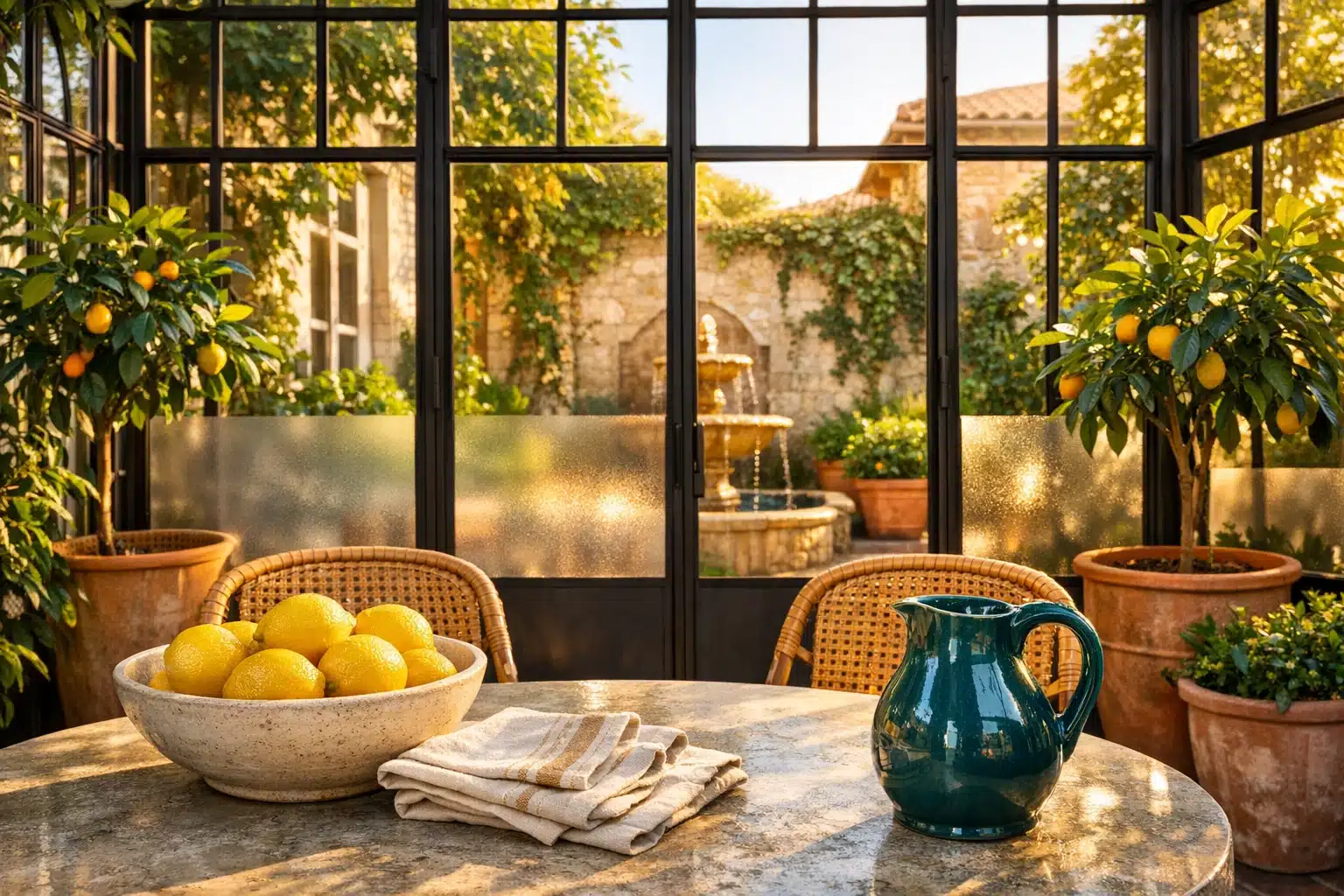
Bathrooms and front-door sidelights often benefit from frosted or etched-look films because they provide steady privacy without relying on exterior brightness. These films still allow daylight to pass through, which keeps small spaces from feeling boxed in. Bedrooms on the ground floor can also work well with this style, especially when privacy is needed both day and night. In a home office, a lightly frosted or patterned film can block direct lines of sight while still preserving an airy feel. If the room doubles as a video-call space, reduced glare may be just as valuable as privacy.
Reflective and one-way-look films are often chosen for living rooms, dining rooms, and large front windows because they preserve more outward visibility during daytime hours. However, the phrase “one-way” can be misleading in real life. The effect depends on lighting. When the room is brightly lit at night and the outdoors is dark, privacy drops sharply unless curtains or shades are added. That does not make reflective film ineffective; it simply means it works best as part of a layered strategy rather than as a magical all-hours shield.
Glass type is another major consideration. Some windows, especially insulated double-pane units and certain low-E glass products, require careful film selection. Applying the wrong film can increase thermal stress and may affect manufacturer warranties. Before purchasing, it is wise to check:
- Whether the glass is single-pane or insulated
- Whether it includes a low-E coating
- How much direct sun the window receives
- Whether the manufacturer allows aftermarket film
A high-quality window privacy film should come with guidance for these situations, and professional installers usually verify compatibility before starting. This is especially important on large south- or west-facing windows where heat buildup can be stronger.
Style matters too. Privacy film can quietly support a room’s design rather than interrupt it. Matte finishes feel calm and understated. Geometric patterns can add character to plain glass partitions. Subtle gradients can create a modern look in entryways. The smartest choice is not always the one with the strongest effect, but the one that solves the privacy problem while still letting the room look like itself.
4. Installation, Maintenance, and Common Mistakes That Affect Results
Even an excellent product can disappoint if it is installed poorly. Window film is often sold as a straightforward DIY upgrade, and for smaller panes that can be true. Still, the process rewards patience, clean preparation, and careful handling. Dust, pet hair, soap residue, and even tiny fibers from a towel can become visible imperfections once the film is in place. That is why successful installation feels a little less like decorating and a little more like delicate surface work.
The first rule is cleaning. Glass should be thoroughly washed and stripped of residue before any film touches it. Many installers use a spray solution and a squeegee to remove particles, because what looks like a clean window to the eye can still carry debris that causes bubbles or bumps. Accurate measuring matters too. A film cut too tightly may lift at the edges, while one cut too loosely can look uneven and unfinished. Professionals often trim film with greater precision, especially around large panes, mullions, and decorative frames.
For homeowners deciding between DIY and professional installation, the choice usually comes down to scale, visibility, and risk tolerance. A small bathroom window is a reasonable starting point for a confident DIY attempt. A full-height front window, a sliding door, or expensive insulated glazing is usually better left to a trained installer. Labor adds cost, but it can also prevent wasted material and reduce the chance of a poor finish in highly visible spaces.
Once installed, most films need curing time. During that period, a slightly hazy appearance or small water pockets may be normal. Rushing to press or peel at these areas can damage the finish. Care afterward is simple but important:
- Wait for the recommended curing period before cleaning
- Use soft cloths or non-abrasive tools
- Avoid ammonia-based cleaners unless the manufacturer says they are safe
- Do not scrape aggressively at the film surface
A high-quality window privacy film is designed for durability, but a few common mistakes still shorten its life. These include installing on incompatible glass, applying it in dusty or very humid conditions, using harsh cleaning chemicals, and expecting reflective films to provide full nighttime privacy without backup coverings.
The good news is that maintenance is usually light. With sensible care, premium films can remain attractive for many years. The final result should feel seamless, as if the glass was designed that way from the start rather than corrected after the fact.
5. Conclusion: Value, Comfort, and the Right Choice for Homeowners and Renters
For most people, the real value of privacy film is not found in one dramatic feature but in a series of everyday improvements. Rooms feel calmer. Harsh sunlight becomes more manageable. Ground-floor windows feel less exposed. Interiors gain a little more freedom, because people stop arranging furniture and routines around the fear of being seen. That practical comfort is why the product remains popular across very different homes, from compact apartments to detached family houses.
Cost matters, of course, but it should be measured against lifespan and performance rather than the lowest price on the shelf. Cheap film can be tempting, especially for large windows, yet replacement costs in time, effort, and appearance often erase the initial savings. A better product may cost more up front, but it usually provides steadier adhesion, better finish quality, stronger UV protection, and a more polished result. Compared with replacing glass or installing custom privacy glazing, film is still often the more budget-friendly route.
Renters and homeowners may approach the purchase differently. Renters often prioritize removable or less permanent options, provided the lease allows them. Homeowners may lean toward longer-term adhesive films or professionally installed solutions designed to last for a decade or more. In both cases, the questions are similar: How much privacy is needed, at what times of day, and with how much natural light preserved? A thoughtful answer to those questions leads to a better fit than chasing a trend or a flashy label.
For readers weighing their options, a short decision framework can help:
- Choose frosted styles for reliable all-day screening in bathrooms and entry glass
- Choose reflective styles when daytime privacy and outward view matter most
- Check glass compatibility before buying, especially on insulated or coated windows
- Favor trusted specifications and warranties over vague marketing claims
- Use professional installation for large, costly, or technically sensitive panes
In the end, high-quality window privacy film is a smart solution for people who want greater control without a full renovation. It can make a home feel more private, more comfortable, and more intentionally designed while keeping daylight in the picture. If you are a homeowner improving livability or a renter trying to soften exposure with minimal disruption, the best choice is the one that respects both the window and the way you actually live around it.