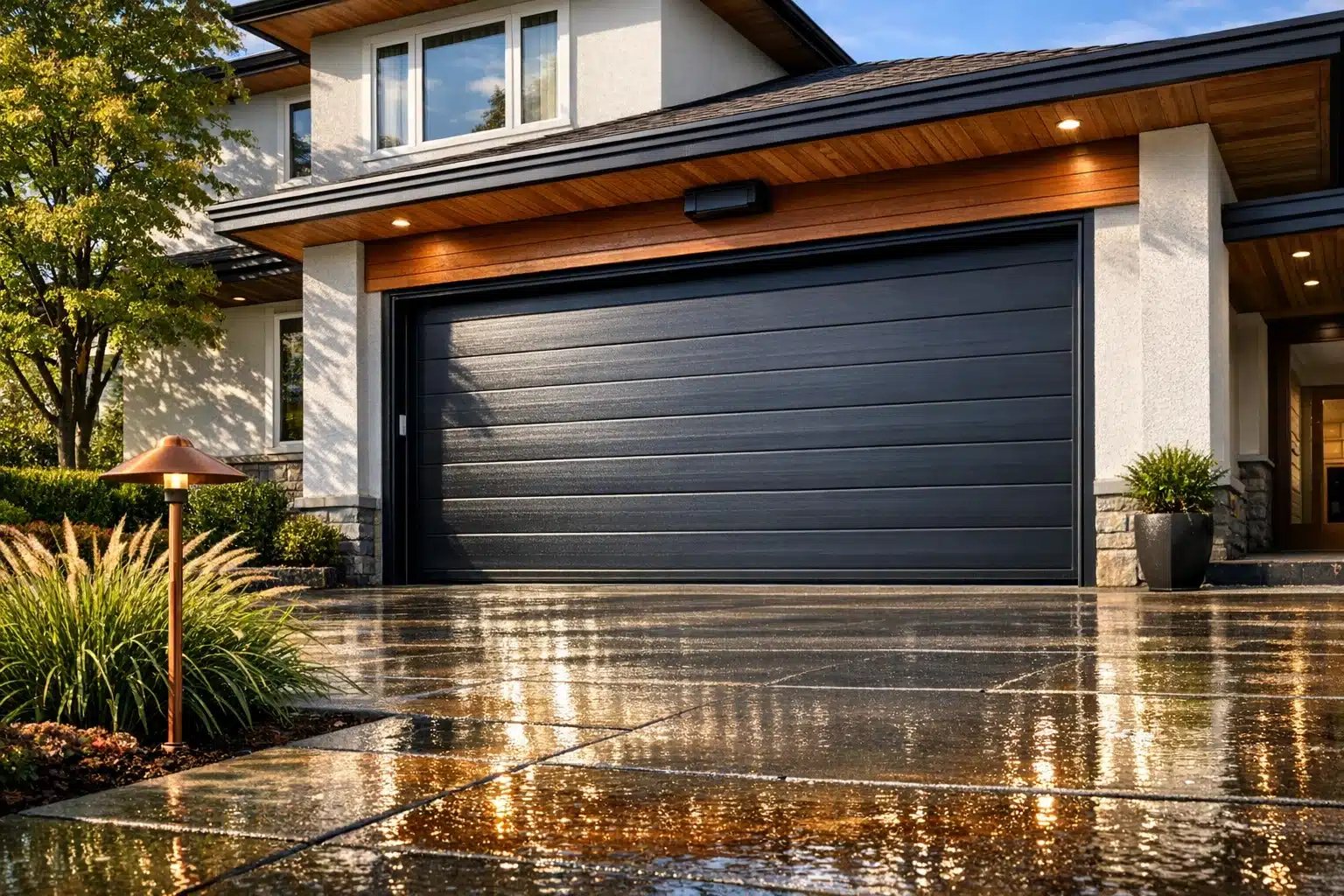
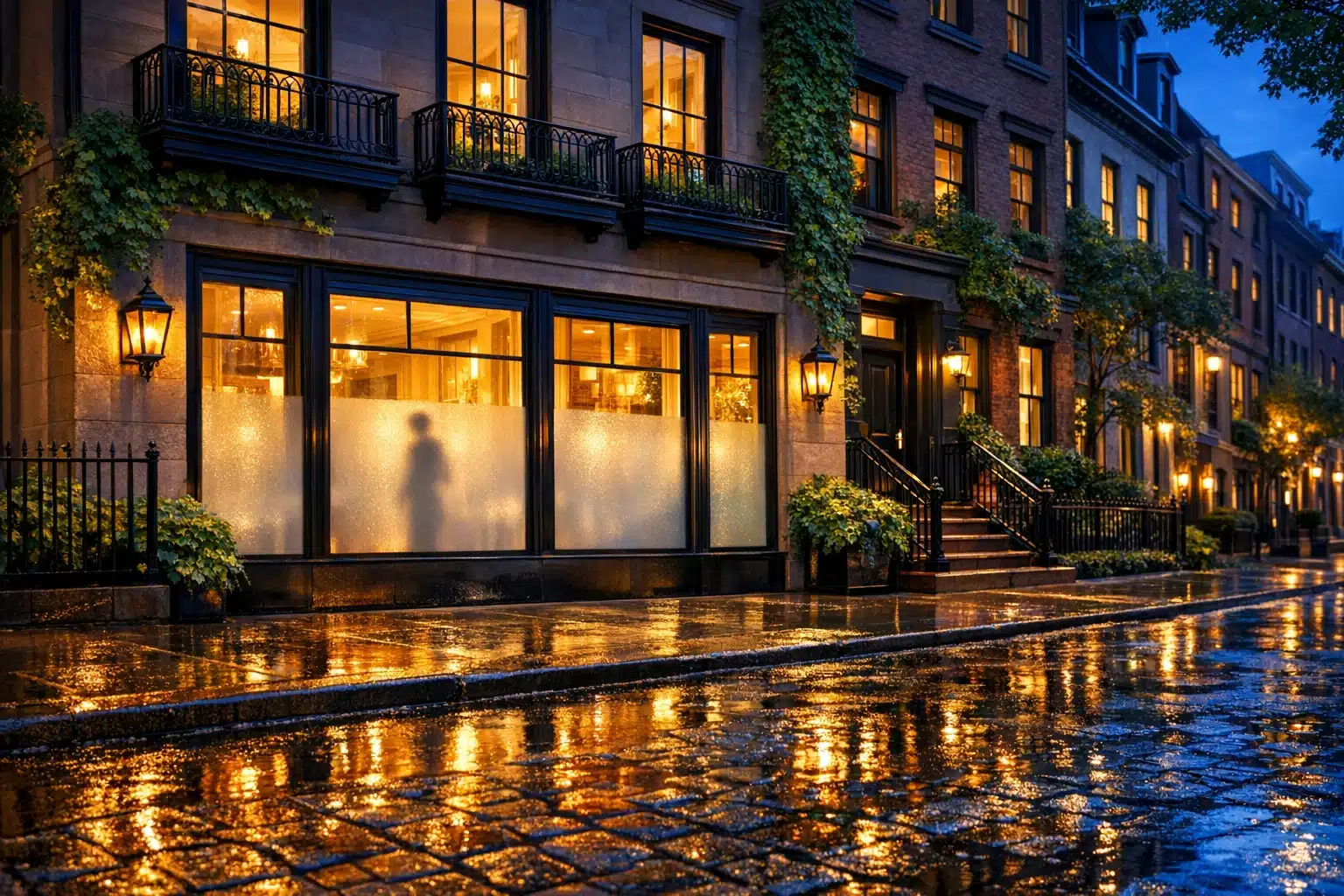
 Artificially generated image
 How Does Window Film Enhance Home Privacy?
In many homes, windows create a quiet tension: they invite sunlight in while exposing everyday life to the outside world. A street-facing kitchen, a ground-floor bathroom, or a home office near a sidewalk can all feel a little too visible at the wrong hour. That is where high-quality window privacy film becomes practical rather than decorative, giving homeowners a way to soften sightlines, preserve natural light, and improve comfort without the heavier look of permanent coverings.
Article Outline
This article explores five core areas: how privacy film works, which types suit different rooms, what matters during installation, which secondary benefits deserve attention, and how to choose the right option with confidence. Along the way, it compares common film styles, explains performance limits, and highlights real-life considerations that often get missed during a quick purchase. The goal is simple: help readers understand not just what window film is, but how to select it wisely for the way they actually live.
1. How Window Privacy Film Works in Everyday Life
Window privacy film changes the way glass interacts with light, visibility, and perception. That may sound technical, but the lived effect is straightforward: people outside see less, while the room inside keeps more of its brightness and openness. Instead of blocking a window completely, film modifies transparency. Depending on the product, it can diffuse outlines, create a frosted surface, introduce reflectivity, or reduce direct visibility from certain angles. In practical terms, this means you can sit near a front window with a cup of coffee and feel less like you are on display.
The basic principle behind privacy performance is one of two things. First, some films scatter light, which blurs shapes and details. Frosted and etched-look films work this way, making them popular for bathrooms, sidelights, and interior glass partitions. Second, some films rely on reflectivity. These are often called one-way or mirrored films, and they work best when the outdoor side is brighter than the indoor side. During the day, they can create strong privacy. At night, however, the effect often weakens if interior lights are on and the outside is dark. That limitation matters, because many buyers assume every privacy film behaves the same way.
Visible light transmission, often listed as VLT, helps explain why one film feels airy and another feels dim. A product with higher VLT lets in more daylight, while a lower figure usually means a darker appearance. Some homeowners want softness without sacrificing brightness, while others prefer maximum concealment. The right choice depends on location, orientation, and the room’s purpose. A bathroom often benefits from obscuring film. A living room facing the street may need a balance between light and daytime privacy.
When shopping, it helps to focus on a few core questions rather than marketing language alone. Useful checkpoints include: • Is the privacy needed all day or only during daylight hours? • Does the room already get abundant sun? • Is the goal to hide details, reduce glare, or both? • Will the film be used on a single pane, double pane, or specialty glass? These details separate a quick fix from a solution that continues to feel right after the novelty wears off.
A high-quality window privacy film usually performs better because material quality affects clarity, adhesive stability, edge durability, and long-term appearance. Cheap film may bubble, discolor, or peel early, especially on sun-exposed glass. Better products tend to look more consistent, age more gracefully, and maintain their finish after regular cleaning. In that sense, privacy film is less about hiding from the world and more about restoring control over how much of your world others can see.
2. Comparing the Main Types of Privacy Film for Different Rooms
Not all privacy films are built for the same task, and room-by-room planning makes a major difference. A bathroom window usually needs full-time obscurity. A front living room window may need privacy mainly during the day. A home office might benefit from glare reduction as much as visual shielding. Once you break the problem into use cases, the category becomes much easier to navigate.
Frosted film is among the most versatile choices. It diffuses visibility from both sides, which makes it a reliable option for bathrooms, entry door glass, laundry rooms, and interior partitions. It often resembles sandblasted or acid-etched glass at a fraction of the cost. Decorative film builds on that idea by adding patterns, stripes, gradients, or geometric textures. These products can create privacy while also acting as a design feature. In a hallway with sidelights, for example, a subtle linen texture or reeded-glass pattern can turn a plain window into a finished detail.
Reflective film is different. It tends to be most effective in daytime conditions and is often chosen for street-facing rooms where homeowners want outward visibility without feeling watched. The look is sleeker and sometimes more modern, but it is not the universal answer some people expect. If privacy is needed after sunset, reflective film alone may not be enough unless paired with blinds, curtains, or strategic lighting. Dual-reflective versions aim to soften the mirrored look indoors while maintaining stronger privacy outside, though results still depend on lighting balance.
Blackout or fully opaque films offer the highest concealment, but they also eliminate natural views and much of the light that makes a room feel alive. These are useful for specific applications such as utility spaces, storage windows, or areas where visual access serves no meaningful purpose. In most living spaces, homeowners prefer partial privacy rather than complete shutdown.
A practical way to compare options is to think in terms of priorities: • Bathroom: frosted or decorative obscuring film; • Ground-floor lounge: reflective or dual-reflective film, possibly with evening coverings; • Home office: film that combines privacy with glare control; • Entry glass: patterned or translucent film that softens the line of sight without darkening the hall.
A high-quality window privacy film stands out here because the finish, color consistency, and optical clarity influence how polished the final result feels. Inferior films can look plasticky, distort the view, or create an uneven sheen that draws attention for the wrong reasons. The best match is rarely the darkest or most dramatic product. It is the one that solves the privacy problem while still respecting the room’s light, style, and daily rhythm.
3. Installation, Placement, and Design Choices That Affect Results
Even an excellent film can disappoint if it is applied carelessly or placed on the wrong glass. Installation is where practical success is won or lost. Dust, residue, trapped moisture, misaligned cuts, and rushed trimming can all become visible once sunlight hits the window. That is why preparation matters so much. Glass should be thoroughly cleaned, edges checked, and measurements confirmed before the backing is removed. Film is unforgiving when impatience enters the room.
Homeowners often ask whether installation is a good DIY project. The answer depends on the size and importance of the window. Small bathroom panes, narrow sidelights, or interior glass doors can be manageable for a patient beginner with the right tools. Large living room windows, expansive sliding doors, or premium exterior-facing glass are usually better handled by a professional. A skilled installer reduces the risk of bubbles, creases, and edge lift, and can also advise on film compatibility with the glass type.
That compatibility point deserves attention. Some films absorb or reflect enough solar energy to create thermal stress on certain insulated or specialty windows. Manufacturers often provide guidance on approved applications, and professional installers normally verify this before starting. If a window is double-pane, tinted, laminated, or unusually exposed to strong sun, it is wise to check specifications rather than guessing. A stylish purchase should not become an avoidable repair.
Placement decisions can be just as important as installation technique. Full coverage works well when privacy is needed from top to bottom, but partial coverage can be more elegant in the right setting. Cafe-style applications on the lower half of a window preserve sky views while blocking street-level sightlines. A gradient film may suit a bathroom or stair landing where light is welcome but direct visibility is not. Interior glass partitions can use translucent film to separate space without making a home feel boxed in.
Design is often where privacy film quietly shines. It can be nearly invisible in one room and deliberately expressive in another. Soft matte finishes create calm. Linear patterns add order. Geometric motifs give an ordinary pane some personality. There is a small architectural pleasure in watching morning light move across textured film; the window still glows, but it speaks in a quieter voice.
A high-quality window privacy film supports these choices by remaining stable over time. Better adhesives resist peeling, better coatings clean more easily, and better manufacturing keeps the surface uniform across the entire pane. Smart buyers also think beyond day one. They ask: How will this look in winter light? Will fingerprints show? Can it be removed later without drama? Those questions lead to better outcomes than focusing on price alone.
4. Privacy Is Only the Beginning: Light Control, UV Reduction, and Comfort
Many people start shopping for film because they want more privacy, then discover that the secondary benefits may be just as valuable. Depending on the product, window film can reduce glare, filter ultraviolet radiation, soften solar heat gain, and help protect interiors from fading. That combination can improve comfort in ways that are noticeable every day, especially in bright rooms that receive strong afternoon sun.
UV reduction is one of the clearest examples. Many modern films are designed to block a very high percentage of ultraviolet rays, often up to around 99 percent according to manufacturer specifications. That does not make them a substitute for every sun-protection measure, but it can help reduce the slow wear that sunlight causes indoors. Flooring, upholstery, artwork, curtains, and wood finishes all age under repeated exposure. Film acts like a quieter layer of defense, one that works without changing how the room is used.
Glare reduction matters too, particularly in home offices, media rooms, kitchens, and anywhere screens compete with daylight. A bright window behind a laptop can turn a productive hour into a constant dance of squinting and repositioning. Some privacy films ease that issue while still allowing natural light to enter. The result is not darkness, but visual relief. In practical terms, that can mean fewer harsh reflections on televisions, better visibility on monitors, and less eye strain during long work sessions.
Heat control varies more widely by film type. Some privacy-focused products deliver modest solar benefits, while others are specifically engineered for stronger heat rejection. Reflective and ceramic-based films, for example, can help reduce the amount of solar energy entering a room, though exact performance depends on the product and glass assembly. In warm climates or west-facing rooms, this can contribute to a steadier indoor feel. It may also reduce the load on cooling systems, although results differ by home design, window size, insulation, and local weather.
Buyers should also understand what privacy film does not automatically provide. Not every film is a security film, and not every product strengthens glass meaningfully during impact. If shatter resistance is a priority, that requires a different specification. The same principle applies to insulation claims. Film can improve comfort, but it does not replace the broader role of well-built windows.
A high-quality window privacy film earns its place when it performs across several categories at once: visual shielding, glare moderation, UV filtering, and a more pleasant relationship with sunlight. In that sense, the value is cumulative. The room feels calmer, furnishings are better protected, and the window becomes less of a problem to manage and more of an asset to enjoy.
5. Conclusion for Homeowners and Renters: Choosing the Right Film with Confidence
If you are deciding whether window film is worth it, the answer usually comes down to how often your windows make you compromise. Do you close blinds earlier than you want? Do you avoid certain rooms at night? Do you like daylight but dislike the sense of exposure? If those questions feel familiar, film is not a gimmick. It is a practical upgrade that can solve a very specific household frustration without demanding a full renovation.
For homeowners, the strongest approach is to think room by room rather than trying to apply one solution everywhere. Bathrooms benefit from reliable obscuring film. Street-facing living areas often need a daylight privacy strategy paired with evening coverings. Home offices may get the most value from films that balance privacy with glare reduction. Entry glass is a chance to combine function and style. Matching the product to the room leads to far better results than choosing the same roll for every window in the house.
Renters should look closely at removability and lease terms. Some static-cling or removable adhesive products are better suited to temporary use, though they may not always match the finish or durability of more permanent installations. A landlord-approved, low-commitment option can still offer meaningful visual privacy, especially in apartments where neighboring windows sit uncomfortably close. The key is to confirm how cleanly the film can be removed and whether the product is designed for short-term occupancy.
Before buying, it helps to keep a short checklist in mind: • Identify when privacy is needed most; • Measure how much natural light you want to preserve; • Verify compatibility with your window type; • Decide whether design matters as much as concealment; • Compare DIY practicality against professional installation. Those few steps can prevent the most common disappointments.
A high-quality window privacy film is rarely about making a home feel sealed off. At its best, it does the opposite. It lets rooms stay bright, useful, and connected to daylight while giving the people inside a stronger sense of ease. For households that want more privacy without heavier coverings or costly glass replacement, it offers a balanced answer: subtle in appearance, significant in effect, and easy to appreciate every single day.