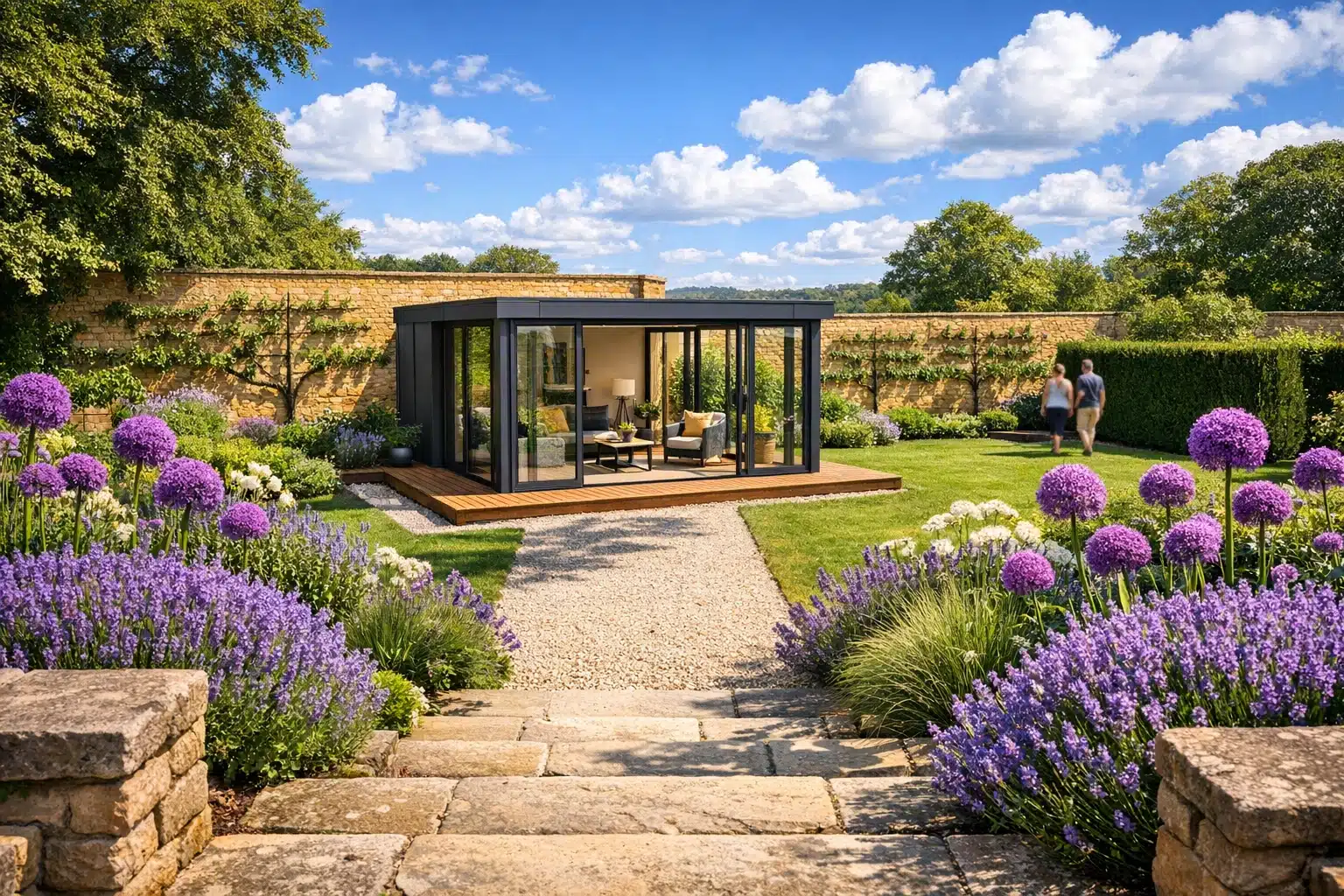
 Artificially generated image
 How much does a sunroom cost in the UK? Where can I buy an affordable, well-insulated, and durable sunroom?
Buying a sunroom in the UK can feel like pricing sunshine itself, because the final figure depends on size, glazing, insulation, delivery, and installation rather than one simple ticket number. A relocatable or modular option adds another layer of choice for people who want flexibility without giving up comfort. This guide explains what a Mobile Sunroom usually means, how much different setups cost, and where value is easier to find. Read on if you want practical comparisons instead of glossy sales talk.
Outline
This article is organised in five practical parts so you can move from broad understanding to a buying decision with fewer blind spots.
- What the term means in the UK and how it differs from a conservatory or garden room
- Typical price ranges, hidden costs, and what pushes quotes upward
- The features that matter most for insulation, durability, and year-round comfort
- Where to buy, how to compare suppliers, and what questions to ask before paying a deposit
- A conclusion for UK buyers who want sensible value rather than a costly compromise
What a Sunroom Means in the UK Market
In everyday UK property talk, the word sunroom can describe several different structures, and that is exactly why prices seem so scattered. Some people mean a traditional conservatory attached to the rear of a house. Others picture a more insulated garden room with wide glass panels. When buyers search for a Mobile Sunroom, the term often points to a modular or relocatable glazed space that is manufactured in sections, delivered to site, and assembled with less disruption than a fully built-from-scratch extension.
This distinction matters because each format solves a slightly different problem. A classic conservatory is usually designed to expand living space while keeping a strong visual link to the home. A garden room is often more separate and more solid, making it easier to heat through the colder months. A modular glazed room sits somewhere in between. It can offer speed of installation, simpler site logistics, and in some cases the possibility of relocation, although “mobile” does not always mean you can roll it away next weekend. In practice, it often means prefabricated, sectional, or easier to disassemble than a permanent brick extension.
That flexibility makes this category appealing to several types of buyers:
- Homeowners who want extra light without committing to a major extension
- People with limited garden access where traditional construction is awkward
- Those looking for a quicker installation timetable
- Buyers who care about future adaptability as family needs change
There is also a comfort question hiding inside the terminology. Older conservatories developed a reputation for becoming too hot in summer and too cold in winter. Newer designs can perform much better, but only if the specification is chosen carefully. High-quality glazing, insulated roof systems, thermal breaks in the frame, and proper floor construction make a major difference. So before asking what a sunroom costs, it helps to ask what kind of room you want it to be in February, in July, and five years from now. The more clearly you define the use case, the easier it becomes to compare options that otherwise look similar in a showroom brochure.
How Much Does a Sunroom Cost in the UK?
The short answer is that UK sunroom costs can start in the lower thousands for very basic seasonal structures and rise well beyond £40,000 for larger, highly insulated, all-season installations. For most homeowners, however, the realistic market sits somewhere in the middle. A modest sunroom or conservatory-style space with standard double glazing and straightforward installation may land around £10,000 to £18,000. A better insulated modular room with upgraded glazing, stronger roof performance, and more finished interiors often falls between £15,000 and £30,000. Once you move into larger footprints, premium aluminium frames, triple glazing, integrated lighting, and complex groundwork, the numbers can climb quickly.
As a rough guide, buyers often encounter price bands like these:
- Basic small glazed structure or seasonal-use unit: around £5,000 to £12,000
- Standard domestic sunroom or conservatory, installed: around £10,000 to £18,000
- Insulated modular or relocatable room for broader year-round use: around £15,000 to £30,000
- Larger high-spec installation with premium materials: around £30,000 to £50,000 or more
A small Mobile Sunroom may look affordable in an advertisement, but the base quote rarely tells the whole story. Groundworks are a common surprise. If your garden needs levelling, a reinforced slab, drainage adjustments, or difficult access solutions, the site bill can add £1,500 to £8,000 or more depending on conditions. Electrics, heating, flooring, roof blinds, ventilation upgrades, and interior finishes can also move the budget significantly. Even delivery matters; a narrow lane, crane hire, or difficult rear access can shift a project from “simple installation” to “special logistics.”
Material choice is another major driver. uPVC is usually the most budget-friendly option and can offer decent thermal performance, while aluminium tends to cost more but gives slimmer frames and a modern look. Timber can be beautiful and warm in appearance, yet it often demands more maintenance and may come at a higher price point. Roof choice matters too. Polycarbonate is cheaper, but glass and insulated solid roofs generally offer better comfort, acoustics, and long-term satisfaction.
There is no single magic figure because every quote is really a combination of structure, glazing, labour, access, and finish level. The best approach is to compare total installed cost rather than headline price alone. A quote that looks higher at first may actually include the floor, electrics, and better thermal performance, while a cheaper offer might exclude essentials you will eventually have to pay for anyway.
What Makes a Sunroom Affordable, Well-Insulated, and Durable?
Affordability is not simply about spending less today; it is about avoiding regret later. A cheap structure that overheats in August, leaks around the frame, or costs a fortune to warm in January can become expensive in a slow and annoying way. When comparing specifications, it helps to think like both a homeowner and a building inspector. How does the room handle heat, cold, moisture, movement, and everyday use? Those five questions reveal far more than glossy lifestyle photos.
Insulation starts with the envelope. Good double glazing is often enough for many UK buyers, but the actual performance depends on the full system, not just the words “double glazed” on a brochure. Look for information on low-emissivity coatings, warm-edge spacers, and frame design with thermal breaks where relevant. Triple glazing may improve thermal performance further, though it also adds cost and weight. Roof design is equally important. A glass roof can create a bright, airy feel, but in exposed or south-facing positions it should be carefully specified to manage solar gain. An insulated solid or hybrid roof often delivers more stable temperatures and less glare.
A well-chosen Mobile Sunroom should also stand up to ordinary British weather, which means wind, driving rain, damp ground, and frequent temperature swings. Durability depends on more than thick glass. It comes from sound engineering, proper drainage, quality seals, corrosion-resistant hardware, and a base that does not shift. If the foundation is poor, even good materials can perform badly. This is why a low quote that skips site preparation should raise an eyebrow.
When comparing options, ask for clear answers on these points:
- Frame material and expected maintenance needs
- Glazing specification and roof construction
- U-values or thermal performance data where available
- Wind and weather resistance testing or structural certification
- Warranty length, what it covers, and who honours it
- Whether flooring, ventilation, and electrical work are included
Durability is also practical, not theoretical. Think about cleaning, parts replacement, and aftercare. Can panels be serviced easily? Are spare components available in the UK? Will seals and locks be standard items or awkward imports? Sometimes the best-value choice is a medium-sized room with fewer design flourishes but stronger performance fundamentals. In other words, warmth, dryness, and structural confidence usually beat decorative extras. If your aim is long-term enjoyment, prioritize thermal comfort and build quality first, then spend whatever remains on aesthetics.
Where to Buy and How to Compare Suppliers
Finding the right supplier is often harder than understanding the product. The market includes conservatory installers, garden room specialists, modular building companies, local fabricators, and general builders who subcontract much of the work. Each route can work, but each comes with different strengths. A specialist installer may have better glazing experience, while a modular manufacturer may offer faster lead times and more predictable production quality. A local builder may provide flexibility, but the quality of project management can vary widely.
If you are shopping for a Mobile Sunroom, begin by deciding whether you want an attached structure, a freestanding garden feature, or a relocatable modular unit. That one choice narrows the field immediately. Many buyers waste time comparing companies that are not actually selling the same category of product. Once your use case is clear, request fully itemised quotations from at least three suppliers. Ask them to separate structure cost, groundwork, delivery, installation, electrics, interior finish, and optional extras. This makes comparison more honest and helps you spot where one quote appears low simply because important items are missing.
Useful buying channels include:
- Dedicated conservatory and sunroom companies with local survey teams
- Modular garden room suppliers offering glazed front elevations
- Regional manufacturers that fabricate frames or sectional buildings in-house
- Home improvement showrooms where you can inspect finishes and hardware
- Second-hand or ex-display listings, though these require extra caution
There is nothing wrong with looking at ex-display units or pre-owned structures, but be careful. Savings can disappear if the dimensions do not suit your site, replacement parts are unavailable, or the structure lacks documentation. Always ask about age, dismantling requirements, transport, and whether glazing or seals have existing wear. A bargain can turn into a puzzle box remarkably fast.
Before committing, check reviews across more than one platform, ask for recent project photos, and if possible visit a completed installation. A reputable supplier should be comfortable discussing lead times, warranties, payment stages, and what happens if weather delays the job. You should also ask who handles aftercare. If sales and installation are split across multiple subcontractors, responsibilities can become blurry when problems appear. The best buying experience usually comes from a supplier that communicates clearly, prices transparently, and treats technical questions as normal rather than inconvenient.
Conclusion for UK Buyers: How to Get the Best Value Without Guesswork
If you are trying to balance budget, comfort, and longevity, the smartest purchase is rarely the biggest structure or the cheapest quote. It is the one that suits how you will actually live. For a family wanting a bright sitting area, strong insulation and easy ventilation may matter more than dramatic glazing. For a homeowner seeking a quiet reading space or occasional office, acoustic comfort, floor insulation, and year-round temperature control become more important than sheer footprint. A downsizer may care most about low maintenance and predictable running costs. Different buyers need different victories.
That is why a sensible shopping process matters so much. Start with your purpose, then define the budget you can genuinely support. Include groundwork, electrics, and interior finishes from the beginning instead of pretending they belong to some future version of the project. Check whether planning rules or building regulations may affect your chosen design, especially if the structure is large, attached in a particular way, or located on a listed property or in a conservation area. In many cases domestic projects are straightforward, but assumptions are expensive companions.
For most households, the sweet spot lies in a modestly sized, well-specified room rather than an oversized showpiece. A carefully chosen Mobile Sunroom can be a practical answer if you value flexibility, quicker installation, or a modular build approach. Just make sure the room is judged on real performance: thermal comfort, weather resistance, structural quality, warranty support, and total installed price. Those factors will shape daily satisfaction far more than a seductive brochure render at sunset.
In simple terms, buy slowly and compare thoroughly. Ask direct questions, insist on itemised quotes, and treat insulation as a necessity rather than an upgrade. A sunroom should feel like a useful part of the home, not a seasonal compromise you avoid for half the year. When you focus on build quality and honest pricing, you give yourself the best chance of ending up with a space that is bright, durable, and genuinely enjoyable in the UK climate.