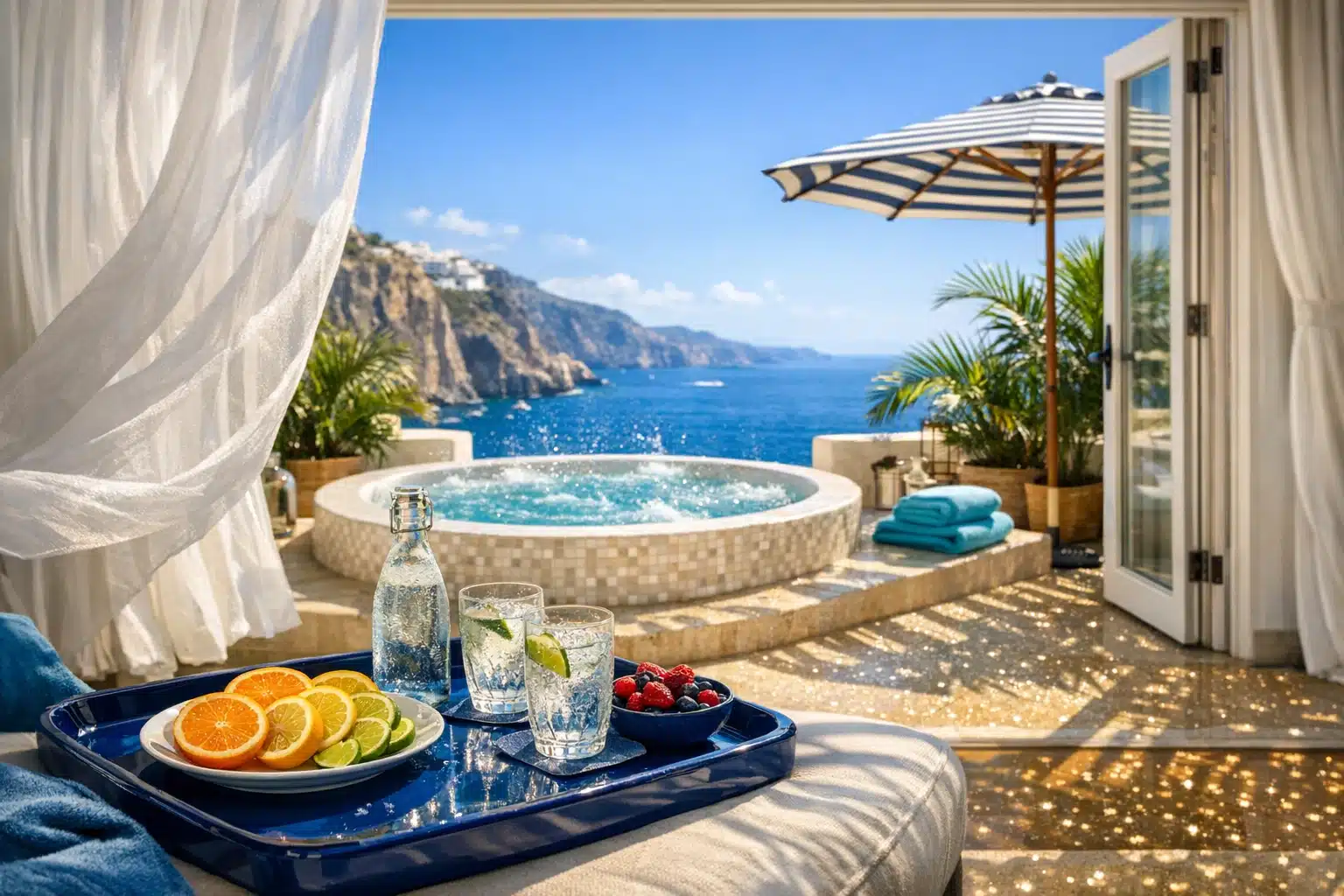
 Artificially generated image
 Exploring the Appeal of Jacuzzi Hotel Suites
Introduction
Choosing a hotel room used to revolve around location, price, and a comfortable bed, yet many travelers now want a stay that feels memorable before they even unpack. That change helps explain the lasting interest in Jacuzzi hotel suites, which combine privacy, comfort, and a sense of occasion in one booking. For couples, solo guests, and weekend escape planners, the attraction reaches beyond simple luxury into atmosphere, convenience, and mood. This article explores why these rooms remain popular, how to evaluate their value, and what details matter before reserving one.
Outline
• What these suites usually include and how hotels describe them
• Why private hydrotherapy features feel different from standard rooms and public spa areas
• How pricing works, including when the upgrade makes sense and when it does not
• What to check before booking so expectations match reality
• Which travelers benefit most, plus practical advice for getting the most from the stay
What Travelers Usually Mean by This Type of Suite
When people search for Jacuzzi hotel suites, they are usually looking for a guest room or premium suite with a large in-room jetted tub designed for relaxation. In everyday travel language, the phrase often functions as a shortcut, even though hotels may describe the feature as a whirlpool tub, hydrotherapy bath, spa tub, or jetted soaking tub. That wording matters because property listings are not always consistent. One hotel may use dramatic language for a modest bathtub with jets, while another may quietly offer a spacious corner suite with a true two-person setup, upgraded bathroom finishes, and a much more comfortable experience overall.
Most of these suites share a few familiar traits. The tub is commonly placed in the bathroom, near the sleeping area, or beside a large window meant to heighten the sense of escape. Better versions often include extras such as mood lighting, plush robes, separate showers, fireplace features, balconies, or late check-out packages. More modest properties may simply offer a larger room and a jetted bath without the wider luxury styling. This range explains why travelers should read beyond the headline and study photos, floor plans, and amenity lists before making assumptions.
A useful comparison is the difference between a standard king room and a purpose-built spa suite. A standard room focuses on function: bed, desk, storage, television, and a conventional bathroom. A spa-oriented suite adds an experience layer. It encourages guests to stay in, slow down, and treat the room itself as part of the trip rather than a place to sleep between activities. That emotional difference is one reason these rooms keep showing up in anniversary trips, mini-moons, winter escapes, and birthday getaways.
There are also practical distinctions worth noting:
• Tub size varies widely, and not every “two-person” model feels roomy in real use.
• Jet strength, noise level, and heating performance depend on the age of the equipment.
• Cleaning standards matter more here than in a regular room because plumbing systems require proper maintenance.
• Placement affects comfort; a beautiful tub in an awkward corner may photograph well but feel cramped.
In short, the category is real, but it is broad. Travelers who understand the terminology are more likely to book a suite that matches their expectations instead of paying a premium for a feature that sounds better in the listing than it feels in person.
The Experience Factor: Privacy, Atmosphere, and the Private-Spa Effect
The strongest appeal of Jacuzzi hotel suites is not only the tub itself but the atmosphere it creates. A private jetted bath changes the rhythm of a stay. Instead of dressing to walk through a lobby, waiting for a spa appointment, or sharing amenities with strangers, guests can close the door, lower the lights, and unwind on their own schedule. That kind of privacy is powerful. In travel, convenience often determines whether a luxury feature gets used at all, and an in-room option removes nearly every barrier between intention and enjoyment.
This private-spa effect matters to different travelers for different reasons. Couples may value it as a romantic setting that feels separate from daily life. Solo travelers may see it as a quiet reward after a demanding week, a long drive, or a packed conference agenda. Even friends on a leisure trip sometimes choose these suites because the room becomes a social space rather than a stopover. The water, the warmth, and the deliberate stillness create a small ritual, and rituals have a way of making time feel fuller.
Design plays a major role in that feeling. A suite with strong natural light, quality finishes, good sound insulation, and enough floor space can feel restorative in a way that goes beyond decoration. On the other hand, a badly planned room may interrupt the mood with harsh lighting, weak ventilation, or an oversized tub wedged into an impractical layout. That is why the overall environment matters as much as the headline amenity. The best stays feel coherent, as though every detail was selected to support comfort rather than to stage a single eye-catching photo.
Compared with a hotel spa, the suite offers advantages and trade-offs:
• Privacy is better in-room, especially for guests who want complete downtime.
• Flexibility is greater because there is no booking slot or dress code.
• Social and therapeutic services are fewer, since a room cannot replace a trained massage therapist or a full wellness circuit.
• Value depends on how much time guests actually spend enjoying the space.
There is also a subtle emotional reason these rooms stay relevant. Travel can be noisy, rushed, and overprogrammed. A warm bath with jets is almost the opposite of that pace. It invites stillness without demanding effort. In a culture that often confuses busyness with fulfillment, a suite that encourages guests to do less can feel surprisingly luxurious.
Price, Value, and When the Upgrade Truly Pays Off
One reason travelers hesitate before booking Jacuzzi hotel suites is price. These rooms usually cost more than standard accommodations, and the difference can be modest or substantial depending on location, season, hotel category, and suite size. In some markets the premium may feel manageable, especially on weekdays or during shoulder season. In resort towns, city-center luxury properties, or peak holiday periods, the jump can be dramatic. That spread leads to a fair question: are you paying for genuine comfort or simply for a seductive label?
The answer often lies in what sits behind the rate. Suites with jetted tubs are expensive for hotels to build and maintain. They require more plumbing complexity, higher water usage, longer cleaning procedures, and more frequent inspection than a regular bathroom setup. They may also occupy larger floor plans that could otherwise be sold as several smaller spaces in another property type. From the hotel’s perspective, the premium is not invented out of thin air. From the guest’s perspective, however, value only appears if the feature fits the trip.
An anniversary weekend is a good example of a sensible upgrade. If the room itself is part of the celebration, paying more can feel justified because it changes the quality of the stay from start to finish. The same is true for cold-weather trips, rainy city breaks, or short escapes where guests expect to spend significant time indoors. By contrast, travelers who plan to sightsee from morning to night may use the tub once or not at all. In that case, the extra cost might be better spent on a better location, upgraded dining, or an additional night away.
A practical way to judge value is to think in terms of use:
• How many hours will you realistically spend in the room?
• Is the suite replacing another expense, such as a separate spa visit?
• Does the room include extras like views, late checkout, or a larger seating area?
• Would a quieter standard room meet the same need for rest at a lower price?
There is no universal rule. The smartest booking is the one aligned with purpose. A premium suite can be excellent value when it becomes the centerpiece of the trip. It can also be unnecessary when the itinerary barely leaves time to notice the upgrade. Matching the room to the reason for travel is usually the difference between indulgence and overspending.
How to Choose the Right Suite and Avoid Common Booking Mistakes
Booking well requires more than typing a phrase into a search bar and picking the prettiest photo. Jacuzzi hotel suites vary so much across chains, boutique hotels, and independent inns that careful reading matters. Marketing language tends to highlight romance and luxury, but the details that determine satisfaction are usually quieter. A room can look impressive online and still disappoint if the jets are noisy, the bathroom lacks privacy, or the tub is too shallow for a comfortable soak. Good selection comes from slowing down and checking specifics.
Start with the photos, but do not stop there. Wide-angle images can make a compact layout seem expansive, so read the square footage if it is listed. Look for multiple views of the tub area, sleeping area, and bathroom entrance. A beautiful fixture loses some charm if it sits beside the bed with little separation and limited ventilation. Privacy is especially important for couples who want a more refined setting rather than a novelty feature squeezed into a standard room shell.
Reviews are another valuable filter, but they work best when you search for patterns instead of isolated praise or frustration. If several guests mention weak water pressure, aging fixtures, or cleanliness concerns around the jets, pay attention. If many reviews highlight quiet surroundings, generous room size, and smooth temperature control, those signals are useful as well. Recent reviews matter more than older ones because maintenance standards can change quickly after renovations, management shifts, or staffing shortages.
Before booking, it helps to verify a few practical points:
• Is the tub actually inside your reserved room, not in a shared spa area?
• Does the hotel describe it as a jetted tub, whirlpool tub, or soaking tub without jets?
• Are there posted quiet hours or occupancy limits?
• Is the suite part of a package with nonrefundable terms?
• Does the property have a reputation for strong housekeeping and upkeep?
Calling the hotel directly can be worthwhile, especially for important occasions. Ask whether all rooms in that category are identical, whether renovations are recent, and whether the tub fills quickly enough for normal use. Those questions may feel small, yet they often determine whether the stay feels seamless or mildly irritating. A little diligence before arrival is far cheaper than discovering too late that the “special” room was only special in the caption.
Conclusion: Who Should Book One and How to Make the Most of the Stay
For the right traveler, Jacuzzi hotel suites are not an unnecessary flourish but a smart way to shape the entire mood of a trip. They tend to suit guests who want the room to be part of the destination: couples marking an occasion, busy professionals seeking a quiet reset, winter travelers craving warmth, or anyone planning a short escape built around rest instead of nonstop activity. These suites are less essential for highly scheduled city breaks, overnight airport stays, or budget-focused travel where time in the room is minimal. Knowing which group you belong to is the easiest way to book well.
If you decide the upgrade fits your plans, small choices can make the experience far better. Arrive early enough to enjoy the room before bedtime. Pack or purchase whatever supports relaxation, whether that means a book, calm music, herbal tea, or a favorite face mask. Use the hotel’s dining options strategically; room service or a simple dessert can turn the evening into an event without needing a crowded restaurant reservation. The point is not excess. It is intentional use of the space you paid for.
It also helps to set realistic expectations. A hotel suite with a jetted tub can be soothing, memorable, and visually appealing, but it is not automatically a five-star wellness retreat. The quality depends on design, maintenance, and whether the room aligns with your reason for traveling. When those factors come together, the effect can feel surprisingly rich: a private pause, a quieter evening, and a stay that lingers in memory longer than the checkout time suggests.
For readers considering a first booking, the best approach is simple:
• Choose the suite for a purpose, not just for the label.
• Read reviews with attention to comfort, cleanliness, and layout.
• Compare the premium against how much time you will actually spend in the room.
• Treat the stay as an experience to use, not a feature to admire once and ignore.
Done thoughtfully, this kind of suite can turn an ordinary trip into a more personal one. Not every journey needs that upgrade, but when privacy, comfort, and atmosphere matter, it can be exactly the right choice.