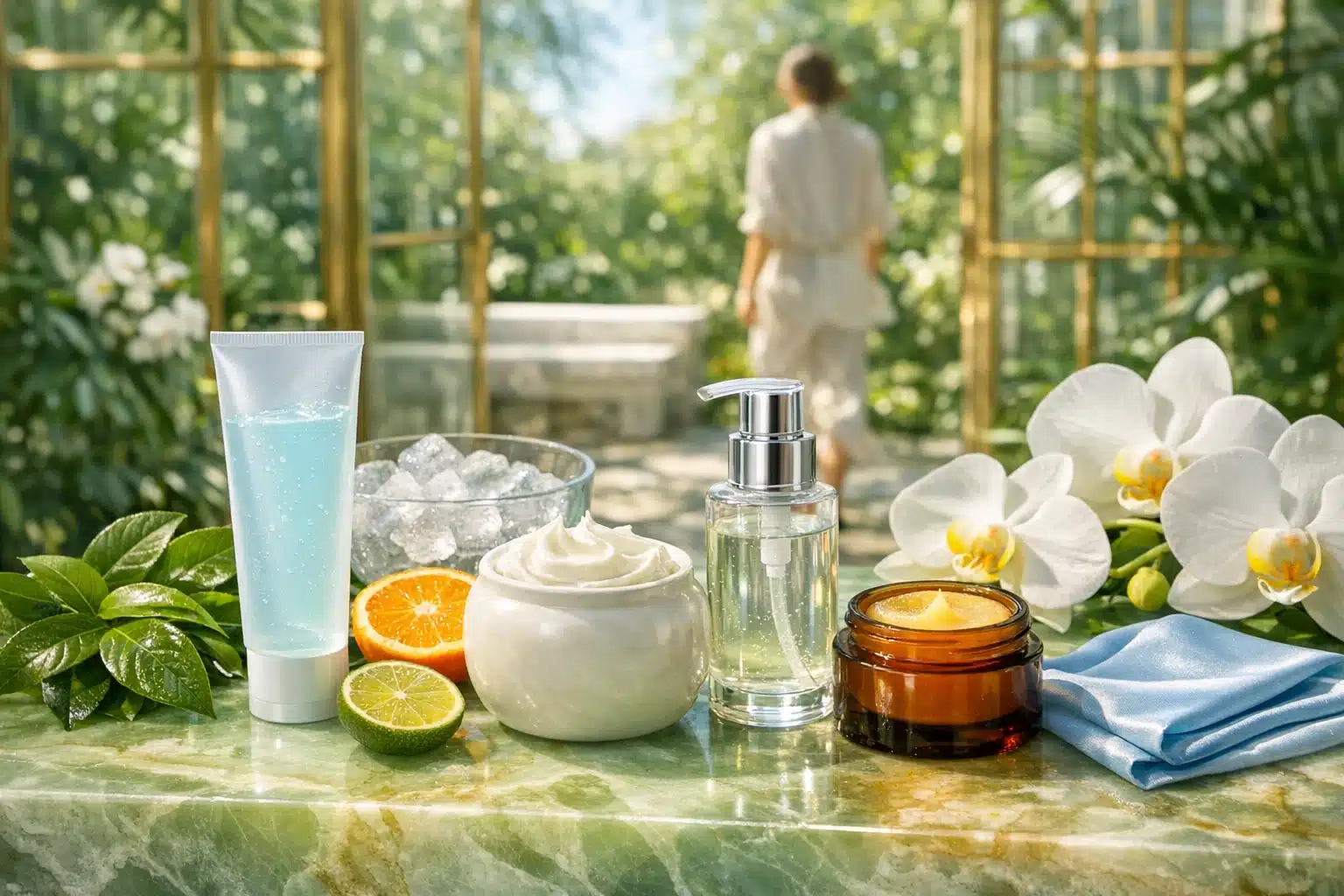
 Artificially generated image
 Top Creams to Reduce Eye Bags
The skin beneath the eyes is thinner than almost anywhere else on the face, so small shifts in sleep, stress, hydration, and age tend to show up quickly. That is why choosing an under-eye product deserves more thought than picking the nearest jar on a shelf. A good formula can help soften the look of puffiness, support smoother texture, and brighten a tired appearance over time. The real challenge is learning which ingredients matter, which claims are marketing, and which habits make any cream work better.
Outline and Why the Under-Eye Area Needs a Different Approach
Before comparing products, it helps to know the road map for the rest of this article. We will look at why the eye area behaves differently from the rest of the face, which ingredients are most useful, how to choose textures and formulas, how to apply them correctly, and what kind of expectations are realistic. Think of this as a small field guide for anyone searching for the Under Eye Best Cream without getting lost in glossy packaging and vague promises.
Here is the outline we will follow:
• Why puffiness and dark circles happen
• Ingredients that can support brighter and smoother-looking skin
• Texture and formula comparisons, from gels to richer creams
• Application habits that improve results
• How to choose based on skin type, budget, and lifestyle
The under-eye area is delicate for a few simple reasons. The skin is thinner, there are fewer oil glands, and blood vessels can be more visible. That combination means dryness, shadows, and swelling show up with unusual speed. A salty dinner, an allergy flare, or a short night of sleep can make the eye area look different the next morning. Aging also changes the region by gradually reducing collagen and elasticity, which can make hollowness and fine lines more noticeable.
Dark circles are not one single problem. In some people, they are linked to pigmentation. In others, they are caused by visible blood vessels, mild swelling, or structural shadowing from tear troughs. Puffiness is equally varied. It may come from fluid retention, irritation, seasonal allergies, rubbing the eyes, or simply genetics. This is why a product that works beautifully for one person may feel disappointing to someone else with a different cause behind the same visible concern.
That is also why reading a label with more care can save both time and money. Rather than asking whether a cream is popular, ask what it is designed to do. Does it contain caffeine for temporary de-puffing, humectants for hydration, peptides for support, or brightening agents like vitamin C or niacinamide? Does it avoid common irritants if your skin is reactive? The eye area has a long memory, and it tends to reward consistency more than impulse. A smart choice begins with understanding the problem first, then matching the formula to the need.
What Ingredients Actually Help Puffiness and Dark Circles
Ingredients matter more than branding language, especially when you are trying to identify the Best Under Eye Cream for Puffiness and Dark Circles. The most useful formulas usually combine hydration, barrier support, and one or two targeted actives rather than stuffing the ingredient list with every trendy extract of the year. A product does not need to look luxurious to be helpful; it needs to be well-formulated, stable, and suitable for the sensitivity level of the skin around your eyes.
Caffeine is one of the most common ingredients for puffiness. It is often included because it can help reduce the look of swelling temporarily and make the area appear more awake. Many morning eye gels rely on caffeine for that quick, fresh effect. Hyaluronic acid is another frequent addition, but its role is different. It acts as a humectant, drawing in water and helping the skin look smoother and less crepey. When dehydration is making the eye area look tired, hydration alone can create a noticeable improvement.
For dark circles, ingredients such as niacinamide and vitamin C are often discussed. Niacinamide can support the skin barrier and may help improve uneven tone over time. Vitamin C is valued for its antioxidant properties and brightening potential, though formulas around the eye area need to be gentle enough to avoid stinging. Peptides are also popular because they are associated with skin-conditioning benefits and may support a firmer appearance when used consistently. Retinoids can be useful for some people, especially when fine lines and texture changes are part of the concern, but they should be introduced carefully because the eye area can become irritated very quickly.
A practical ingredient checklist looks like this:
• Puffiness: caffeine, soothing humectants, cooling gel textures
• Dryness and fine lines: hyaluronic acid, glycerin, ceramides, squalane
• Dullness and uneven tone: niacinamide, vitamin C derivatives, licorice root
• Barrier support: ceramides, panthenol, fragrance-free formulas
It is also important to understand what creams cannot do. They usually cannot erase deep hollows, completely remove hereditary pigmentation, or permanently correct severe fluid retention. If allergies, eczema, or chronic rubbing are involved, the cream is only part of the solution. In that sense, the best ingredient list is not the flashiest one; it is the one that respects the real cause of the problem and works with your skin rather than against it.
Comparing Creams, Gels, Balms, and Serums for Different Needs
The search for the Under Eye Best Cream often gets confusing because under-eye products come in several textures, and texture changes the experience as much as the ingredient list does. A lightweight gel may feel perfect at 7 a.m. when puffiness is the main concern, while a richer cream may be far more useful at night when dryness and fine lines are front and center. One format is not universally superior. The better question is which format fits your routine, your skin type, and the problem you want to address first.
Gels are usually the first choice for people who dislike heavy skincare or are prone to morning swelling. They often contain caffeine, water-binding ingredients, and a cooling base that feels refreshing straight from the refrigerator. This cool sensation does not solve every issue, but it can make the eye area look less puffy and more alert for a few hours. If your main complaint is eye bags after waking up, a gel can be a strong daytime option.
Creams are typically better for dryness, mature skin, or anyone whose concealer tends to catch on rough texture. They usually contain emollients and occlusive ingredients that slow water loss and improve comfort. Richer formulas can help the under-eye area look smoother over time, especially during colder months or in dry indoor environments. Balms are even more protective, though they can feel too heavy for some people, particularly if milia are a concern. Serums, on the other hand, tend to be lighter and more targeted, but they often work best when layered under a moisturizing cream rather than used alone.
When comparing options, think in simple categories:
• Morning puffiness: cooling gel, caffeine, lightweight finish
• Dry or crepey texture: richer cream with glycerin, ceramides, or squalane
• Sensitive eyes: fragrance-free, alcohol-light, minimal essential oils
• Makeup compatibility: smooth texture that absorbs without pilling
Packaging matters too. Airless pumps can help keep ingredients stable and reduce contamination from repeated dipping into a jar. Rollerball applicators feel soothing, though the formula itself still matters more than the metal tip. If a product irritates your eyes, causes tearing, or makes the area sting, it is not the right match, no matter how elegant the marketing sounds. The best under-eye product is often the one that disappears quietly into your routine and keeps doing its job without drama.
How to Choose the Best Under Eye Cream for Puffiness and Dark Circles in Real Life
Finding the Best Under Eye Cream for Puffiness and Dark Circles becomes easier when you stop shopping by hype and start shopping by pattern recognition. Look at your own face like a detective, not a critic. Are your eyes puffier in the morning and calmer by noon? That often points to fluid retention, sleeping position, salt intake, or allergies. Do your dark circles remain visible even after good sleep and hydration? That may suggest pigmentation, thin skin, or natural facial structure. Once you notice the pattern, your product choices become far more sensible.
If puffiness is your top issue, look for a formula that is light, cool, and comfortable under sunscreen or makeup. Caffeine, green tea, and hydrating humectants can be useful here. Store the product in a cool place if the sensation helps, but remember that a chilled cream is a comfort strategy, not a miracle. If dark circles are your primary concern, you may get more value from ingredients linked to brightening and barrier support, such as niacinamide, vitamin C derivatives, peptides, and ceramides. If your circles are mainly structural shadows, a cream may soften the overall look, but makeup, sleep habits, and sun protection will still play a large role.
Patch testing matters more than many people realize. The eye area reacts quickly, and irritation can make darkness and puffiness appear worse. Apply a tiny amount along the orbital bone first rather than directly against the lash line. Use it consistently for several weeks before deciding whether it helps. Skin rarely responds to skincare on a dramatic schedule. What you are looking for is gradual improvement in texture, hydration, and brightness, not an overnight transformation worthy of a billboard.
Use this shopping filter:
• Sensitive skin: fragrance-free and essential-oil-free formulas
• Dry skin: cream texture with ceramides, glycerin, and squalane
• Oily or makeup-focused routine: fast-absorbing gel-cream
• Mature skin: hydration plus peptides or a gentle retinoid used carefully
• Budget-conscious shopping: prioritize ingredient quality over luxury packaging
It is also wise to consider lifestyle triggers. Seasonal allergies, screen fatigue, rubbing the eyes, and inconsistent sleep can undermine even a very good formula. The right cream supports the skin, but the routine around it often determines how impressive the final result looks in the mirror.
Conclusion: Building a Smarter Under-Eye Routine That Actually Fits You
If you have been searching for the Under Eye Best Cream and hoping for one perfect answer, the most useful conclusion is also the most practical one: the right choice depends on the kind of under-eye issue you see most often. Puffiness, darkness, dryness, fine lines, and sensitivity overlap, but they do not behave the same way. A light caffeine gel may be excellent for morning swelling, while a nourishing cream with ceramides and peptides may serve someone with dry, tired-looking skin far better. The strongest results usually come from matching the formula to the cause instead of chasing the trendiest jar.
For most readers, a balanced routine will do more than a single dramatic purchase. Cleanse gently, avoid rubbing the area, apply a small amount of product with patience, and protect the skin daily with sunscreen on the surrounding face. If allergies are part of the picture, managing them can help reduce repeated swelling. If lack of sleep is the usual culprit, no cream can fully negotiate with your schedule, though hydration and cooling textures can make the morning look a little kinder. The eye area is honest, almost poetic in its bluntness, and it tends to reflect habits as clearly as products.
As a final takeaway, keep your expectations grounded and your selection criteria simple:
• Choose ingredients that match the concern you see most often
• Prefer comfort and consistency over intense formulas that cause irritation
• Give a new product time before judging it
• Remember that genetics and facial structure affect results
• Support the cream with sleep, sun protection, and gentle handling
For anyone comparing labels right now, the Best Under Eye Cream for Puffiness and Dark Circles is usually the one that fits both your skin and your routine without creating new problems. If a formula hydrates well, sits comfortably, reduces the look of swelling, and does not trigger stinging or watering, that is real value. Good skincare is rarely loud. More often, it is a quiet, repeatable habit that helps you look a bit more rested, a bit more even, and a little more like yourself on a well-balanced day.